Lime cordial: step-by-step recipe (the classic gimlet base)
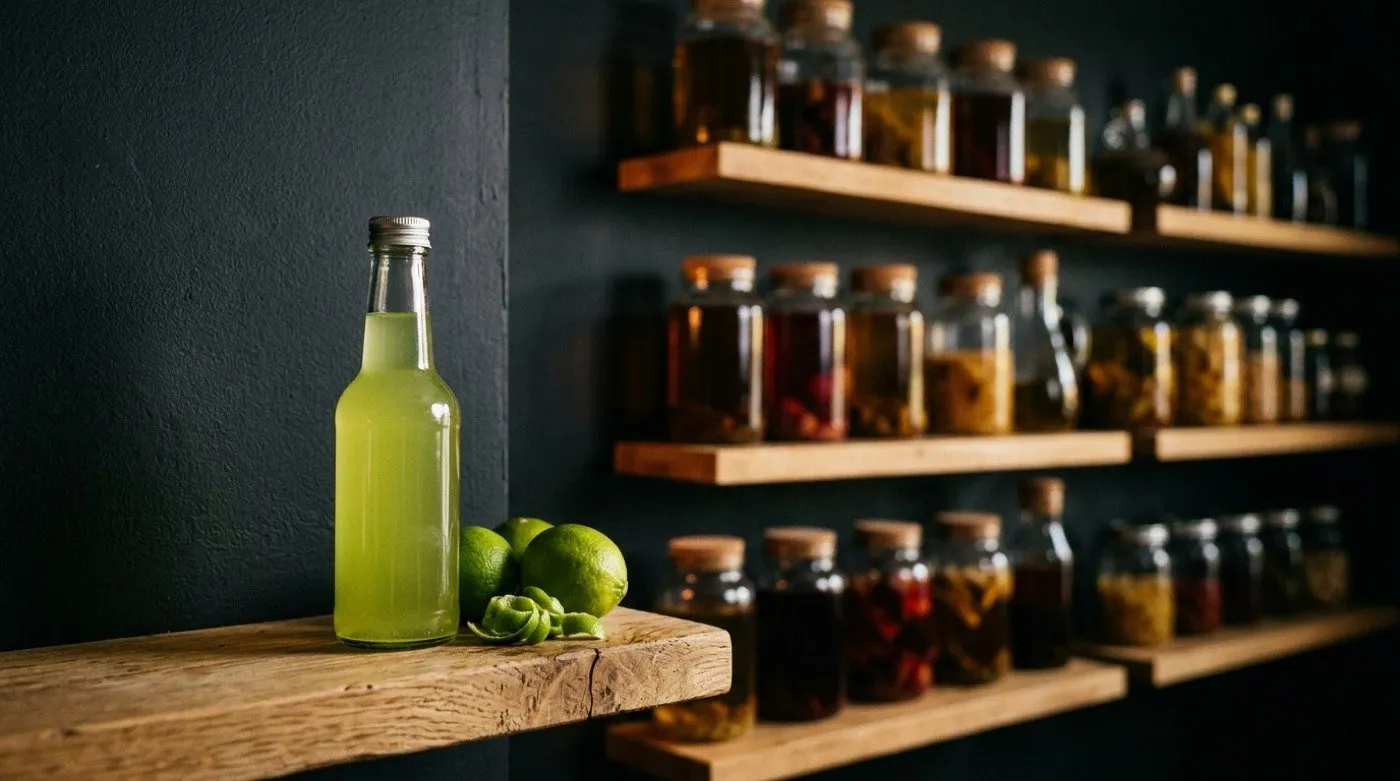
At STILLROOM we make our lime cordial with a method that combines the deep aroma extraction of oleo saccharum with a cold integration that preserves the vitality of the juice. It is not a simple syrup: it is a citrus booster that brings structure, bright acidity and an intense perfume to any cocktail, from the most classic gimlet to our signature creations on Calle Moreto 9. If you want to go deeper into the theory, here we explain what a cordial is, but today we’re going straight to the point: getting our hands dirty with lime, sugar and acids.
Ingredients for lime cordial
Precision is everything. Look for limes with thick, glossy skin, firm to the touch, that release essential oils when rubbed. Avoid ones that are very ripe or have thin skin, because we need generous peel for the oleo saccharum. Here are the exact ingredients we use at our bar:
- 500 ml of freshly squeezed lime juice
- 500 g of white sugar
- The peel of 4 limes (with no white pith)
- 2.5 g of citric acid
How to make lime cordial step by step
This hybrid process comes from our obsession with flavour. We start with an oleo saccharum to capture the aromatic oils from the peel, then emulsify cold to preserve the freshness of the juice, just as we would with a super juice. The result is a cordial with a clarity and an intensity that transform any drink.
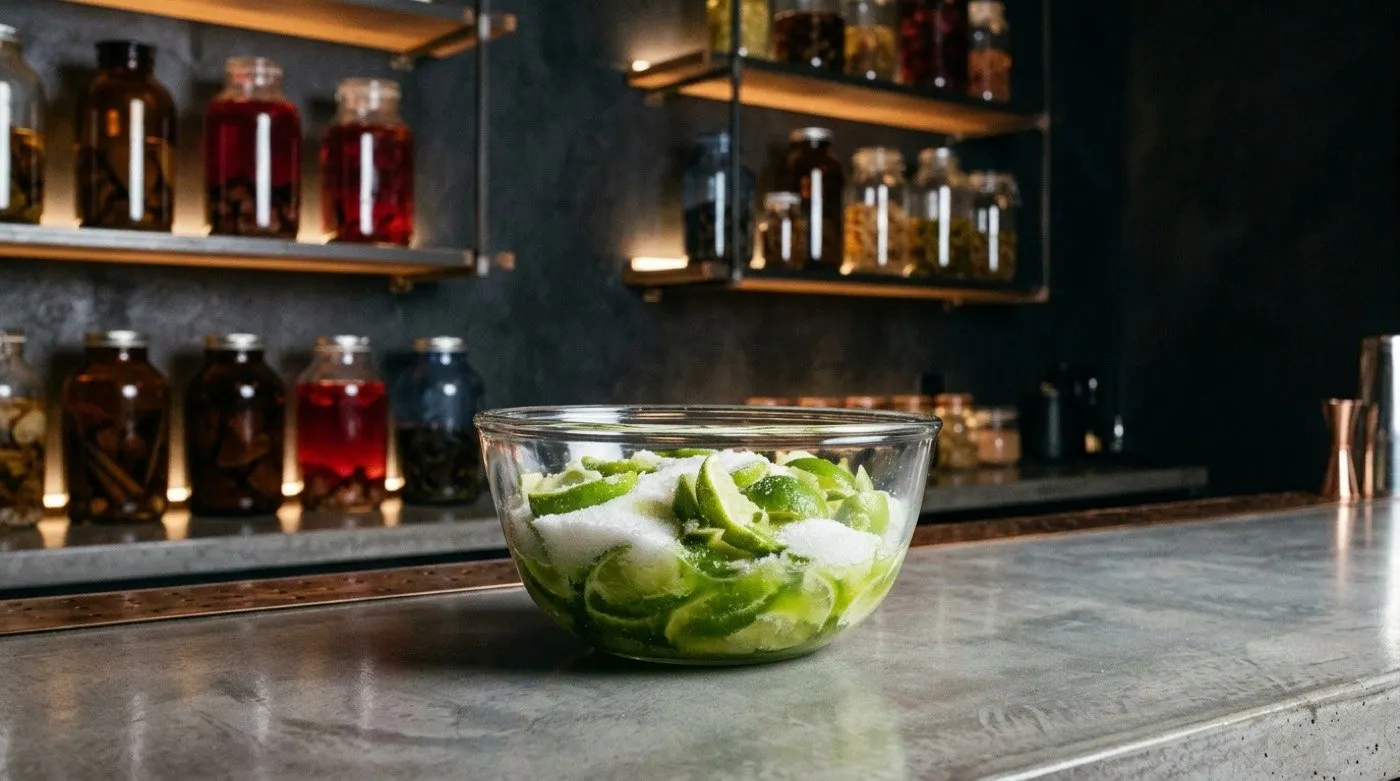
- Peel the limes avoiding the white pith and mix the peel with the sugar; leave to macerate for 1-2 hours (oleo saccharum).
- Squeeze the limes and set aside 500 ml of strained juice.
- Dissolve the flavoured sugar in the juice (cold, with a blender, or heating very gently).
- Add the citric acid to heighten the liveliness and mix well.
- Strain and bottle in a sterilised container. This is a very acidic cordial, ideal for gimlets.
Ratios, acidity and tricks
The base ratio is 1:1 between juice and sugar, but don’t be fooled: the true character comes from the acids. By adding those 2.5 grams of citric acid, we are mimicking the natural acidity lost when the juice is diluted with sugar, giving the cordial back that dry, lively kick you want in a well-balanced drink. In our laboratory we sometimes play with a mix of citric and malic acid (4:1) to round off the mouthfeel and get closer to the profile of a freshly cut lime.
If you want to fine-tune the profile, try replacing 20% of the white sugar with unrefined cane sugar: you will gain a caramelised note that works beautifully with aged rums. And if you’re curious to understand the science behind this recipe, we recommend reading about the super juice technique and oleo saccharum.
Storage
A well-made cordial is a treasure we want to stretch out. In a sterilised, well-sealed glass bottle, it keeps for 3 to 4 weeks in the fridge without losing its edge. Citric acid helps stabilise it, but it is not a miracle preservative: if you see cloudiness, odd sediment, or the aroma fades, it’s time to discard it. For large batches, you can freeze it in ice cube trays and dose it straight into the shaker whenever you need it; the acidity stops it forming a hard block, and it thaws in seconds.
Cocktails with lime cordial
This cordial is a bar wildcard. Its sharp acidity and measured sweetness make it the soul of cocktails where lime is the absolute star.
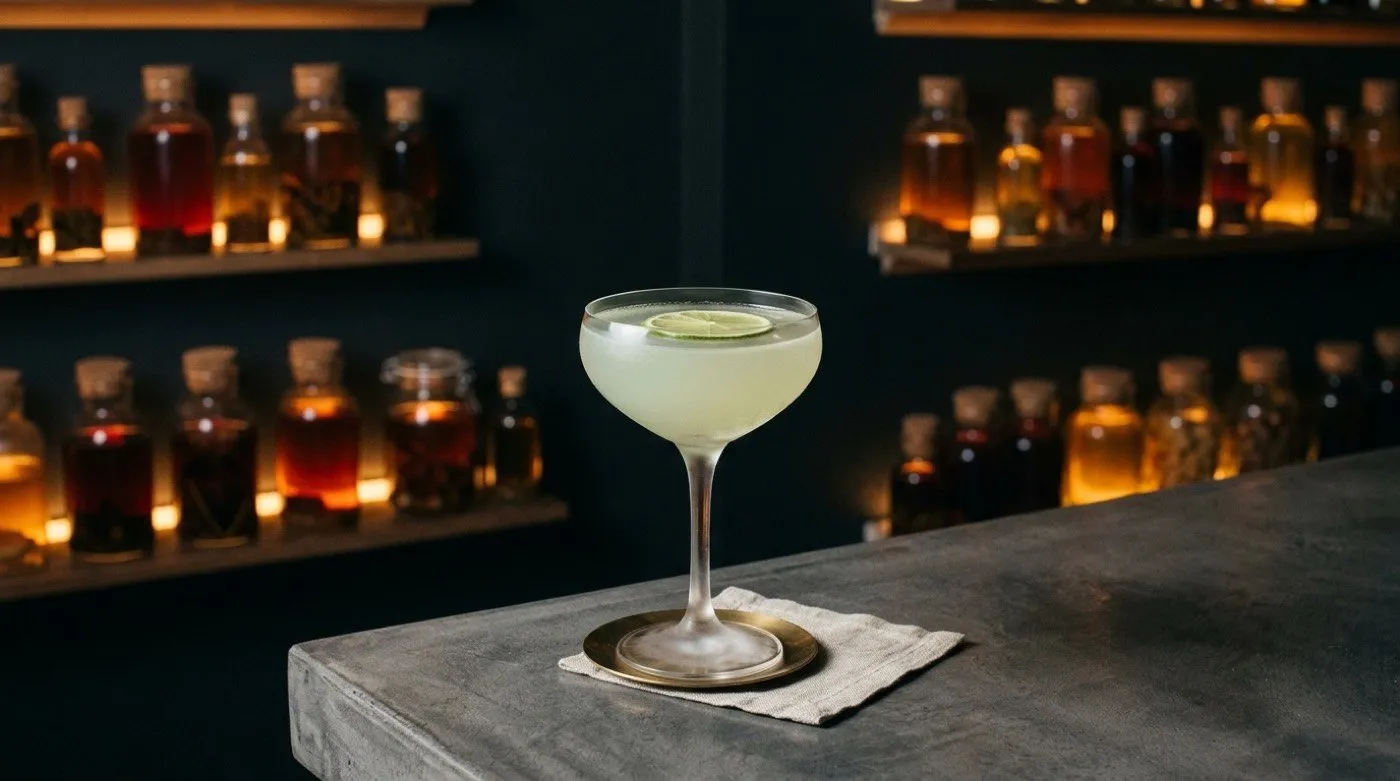
The classic gimlet is its natural destination: 60 ml of London Dry gin, 30 ml of lime cordial and a scoop of ice. Shake, strain into a chilled coupe and get ready for a tense, aromatic, electric drink. It also shines in an adjusted daiquiri: 50 ml of white rum, 25 ml of lime cordial and 10 ml of fresh lime juice to lift the acidity even further. Even a citrus gin and tonic gains another dimension if you replace the juice or syrup with 15 ml of this cordial. If you want to see how we work it into our creations, we invite you to explore our cocktail menu.
Frequently asked questions
How do you make a lime cordial?
It is made by macerating lime peel in sugar to extract its essential oils (oleo saccharum), then mixing that flavoured sugar with fresh lime juice and a small amount of citric acid that heightens the acidity. The result is a dense, bright and highly aromatic liquid, ready to use in cocktail making.
How long does lime cordial keep?
Under optimal conditions — a sterilised glass bottle and constant refrigeration — it keeps for 3 to 4 weeks. If you need to store it longer, you can freeze it in portions without losing its organoleptic properties.
What is the difference between a cordial and a syrup?
A syrup is basically sugar dissolved in water or juice, with a mainly sweetening function. A cordial, on the other hand, includes a higher proportion of citrus and often added acids, which gives it a much more acidic and complex profile, designed to bring structure and liveliness to the cocktail, not just sweetness.
Can I make lime cordial without citric acid?
Yes, but the profile will change noticeably. Without the added citric acid, the cordial will turn out sweeter and flatter, with less ability to cut through the alcohol in a cocktail. Citric acid is what gives a good cocktail cordial that sharp, fresh character that defines it.
What is lime cordial used for in cocktail making?
It is used as a base ingredient or modifier in cocktails where an intense, controlled acidity is required. It is the heart of the gimlet, but it also works in daiquiris, sours, gin and tonics and any drink that needs a precise citrus hit without adding extra volume of juice. This recipe is just the tip of the iceberg. If you want to master the art of boosted citrus, our complete guide to homemade cordials is waiting for you, and don’t miss our sibling recipes for orange cordial and lemon cordial. And if what you’re after is tasting what these cordials can do in expert hands, come and meet us: book your table at STILLROOM, in the heart of Los Jerónimos, and discover what a finely tuned cocktail bar sounds like.