Aperitivo near the Reina Sofía: how to end your visit at STILLROOM Jerónimos
· Updated
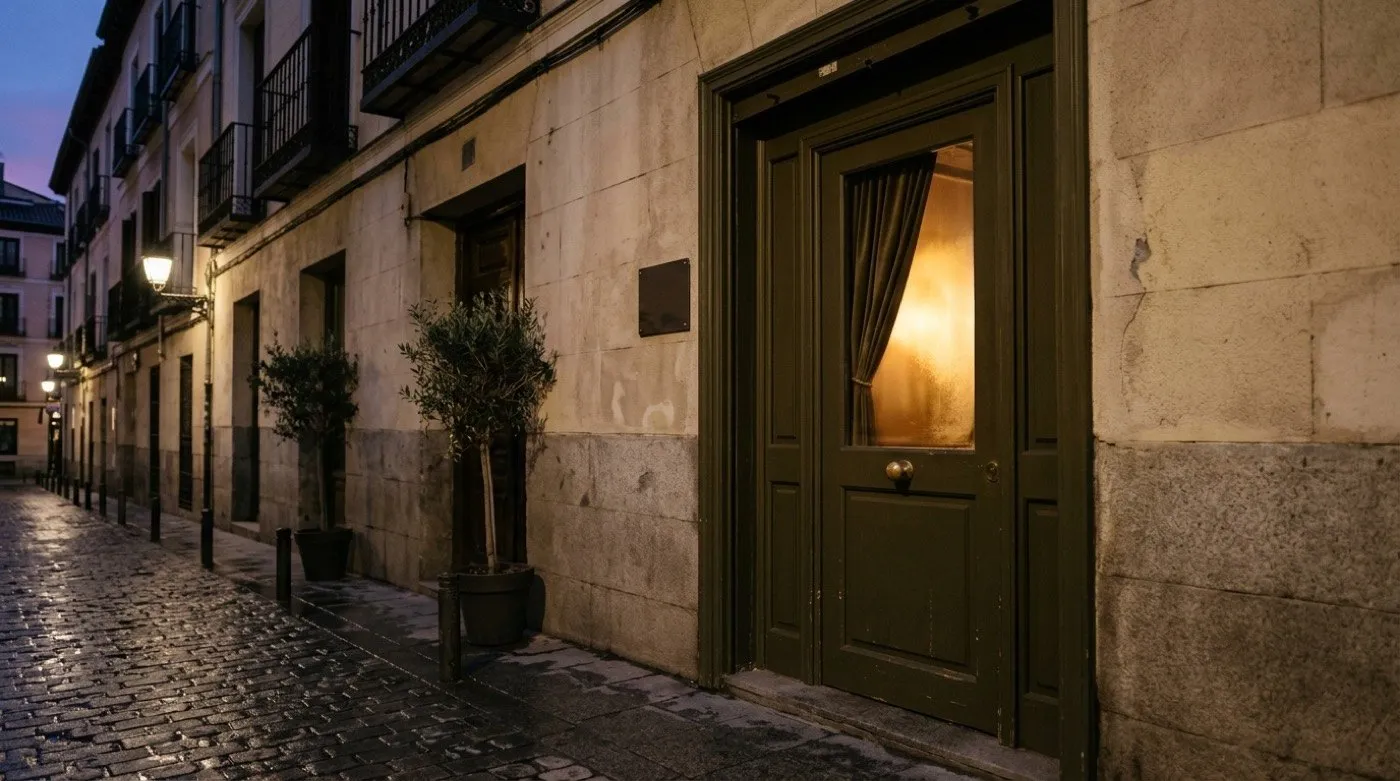
Visiting the Reina Sofía Museum is an experience that transforms how you see art. After confronting the Guernica, losing yourself in Miró’s abstractions or deciphering Dalí’s surrealism, visitors leave with their heads full of questions, emotions and the need to process what they have seen. The area around the museum, in the heart of Madrid, offers few options to match that state of mind: mass-market beer halls, touristy rooftops or generic tapas bars do not fit the intensity of a visit to the temple of contemporary art (we cover the equivalent outing from the Prado Museum in another article). This is where STILLROOM comes in, just a twelve-minute walk from the museum, in the quiet Los Jerónimos neighbourhood (Calle Moreto 9).
This modern speakeasy has turned signature cocktail making into a natural extension of the artistic experience. Its cocktails, made with advanced techniques such as lacto-fermentation, fat washing or milk clarification, are not just any drinks: they are pieces with a narrative of their own, just like the works you have just been looking at. The small plates kitchen, built on express techniques with no traditional oven, rounds off an offer that exists nowhere else in the Atocha and Las Letras area.
The Reina Sofía and its surroundings: Atocha, Las Letras, Los Jerónimos
The Reina Sofía Museum is the absolute reference point for contemporary art in Spain. It holds works that have defined the twentieth century: Picasso’s Guernica as its centrepiece, Miró’s chaotic compositions, Dalí’s impossible figures and a permanent collection that includes international names such as Rothko, Giacometti or Francis Bacon. The museum, housed in the former Hospital de San Carlos, is a building in its own right: Jean Nouvel’s intervention, with its glass-and-steel structure, contrasts with the eighteenth-century historicist façade, creating a dialogue between the classic and the contemporary that defines the whole visit.
The area around the Reina Sofía defines a unique cultural geography in Madrid. To the south, Atocha station and its surrounding tropical botanical gardens. To the north, the Las Letras neighbourhood, where Cervantes spent his final years and the streets carry the names of illustrious writers. To the east, Los Jerónimos, a quiet, aristocratic neighbourhood where the Prado Museum occupies the western end and STILLROOM hides away on Calle Moreto 9. This layout is no accident: Madrid’s three great museums form a cultural triangle that draws visitors from all over the world, but only one of these museums — the Reina Sofía — leaves visitors in a different state of mind, more questioning, less nostalgic. Contemporary art does not invite passive contemplation but active participation, and that energy calls for an epilogue that is not just any neighbourhood bar.
What kind of aperitivo fits after Picasso, Miró and Dalí?
The Italian-Spanish aperitivo has a tradition that goes beyond food: it is a ritual, a moment of transition between the morning’s activity and the night. In Madrid, this moment stretches from midday right through to the start of the evening, when the light changes and the city breathes differently. For visitors leaving the Reina Sofía, this ritual is usually improvised: a beer on a terrace, some tapas at a crowded bar. But there is an alternative that turns the aperitivo into an extension of the cultural experience.
A signature cocktail is not the same as just any drink. If, after taking in a work of contemporary art, you sit down for a standard drink, there is a dissonance: the work you have just seen is unique, unrepeatable, created with a specific intention by an artist. Why pair that experience with something generic? Signature cocktail making works as an exact parallel to contemporary art: every cocktail has a narrative — why that ingredient was chosen, what technique was applied, what story the combination of flavours tells. A signature cocktail at STILLROOM is not just a drink; it is a piece of mixology that demands the same attention as a work by Picasso. And that, after the Reina Sofía, is what fits.
A 12-minute walking route from the Reina Sofía to STILLROOM
The distance between the Reina Sofía and STILLROOM is perfect for digesting what you have seen. It is not so short that you feel you have not really left the museum, nor so long that you lose the momentum. The usual route leaves through the Sabatini entrance, on Santa Isabel 52, or through the Nouvel building’s exit, heading east. From either of these points, the walk crosses the Las Letras neighbourhood and enters Los Jerónimos through an area that feels like it belongs to another city: cobbled streets, Colmenar stone façades, balconies with bougainvillea and a silence that comes as a surprise after the intensity of the centre.
The exact route crosses Plaza de Sánchez Bustillo, goes down Calle de Atocha to Plaza Antón Martín, continues along Calle de las Huertas towards Plaza de Jesús, turns onto Calle de Cervantes to Plaza de las Cortes, crosses Carrera de San Jerónimo and comes out onto Calle de Moreto. In total, about twelve unhurried minutes on foot, taking in the literary atmosphere of Las Letras and the calm of Los Jerónimos. For those arriving by public transport, the most practical option is the local Cercanías train to Atocha and a ten-minute walk, or metro line 1 to Antón Martín and seven minutes from there. The destination is worth the walk.
Why STILLROOM is the choice for a post-museum aperitivo
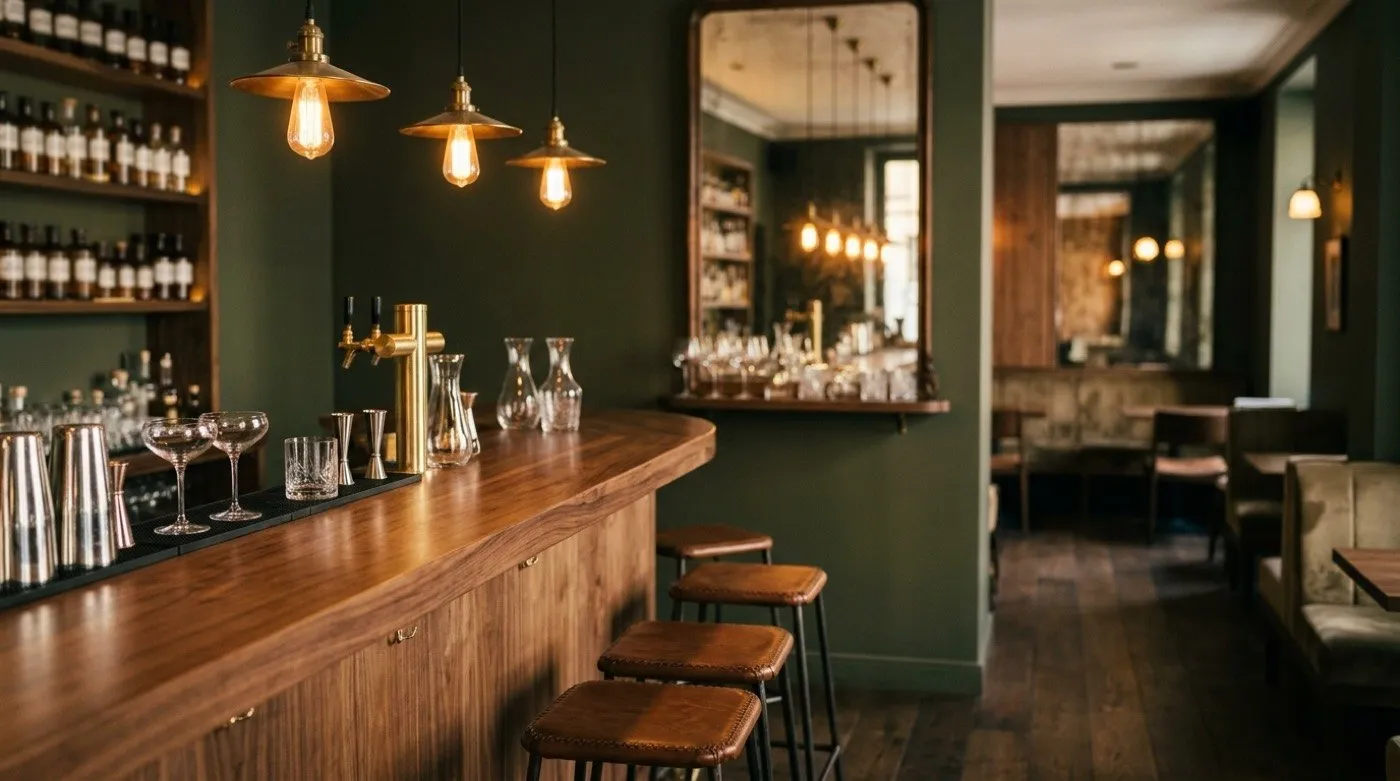
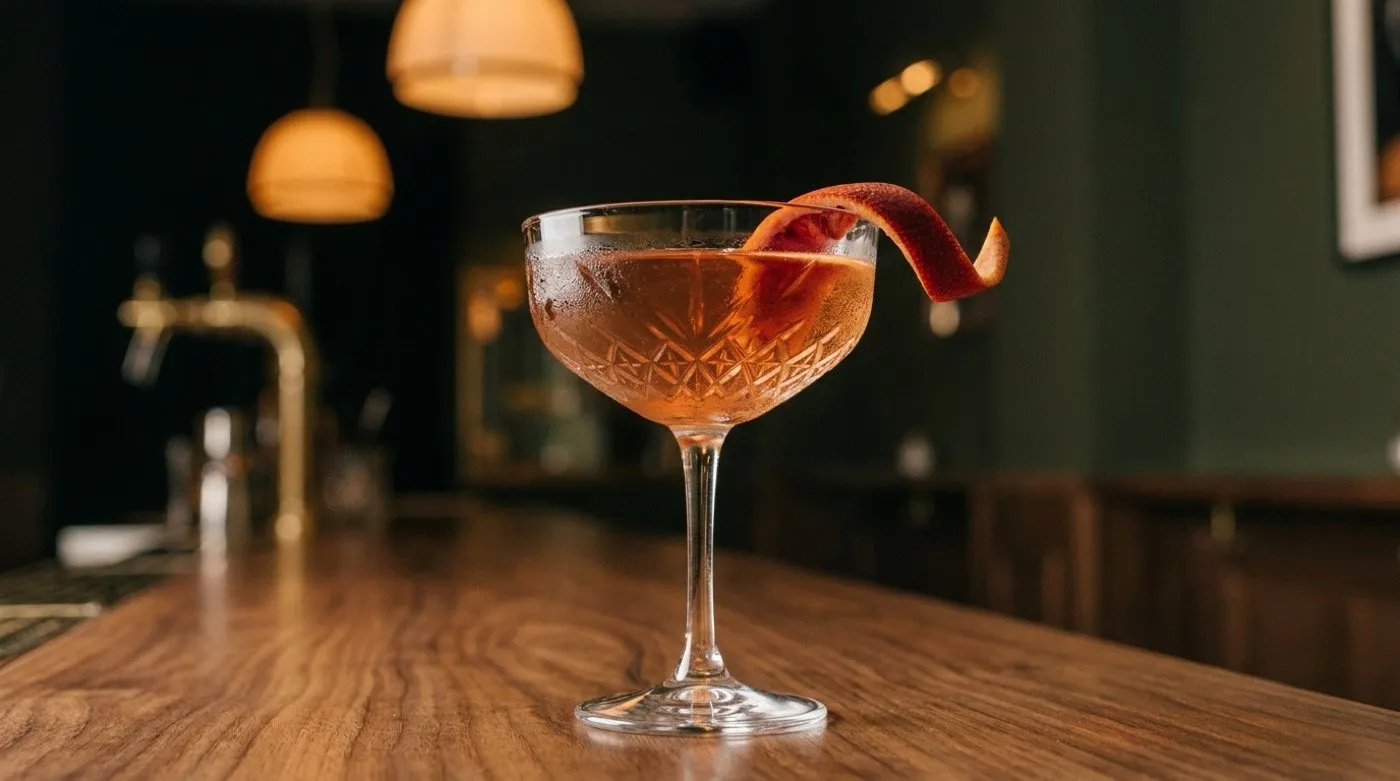
STILLROOM is not a conventional bar. Its modern speakeasy concept means an offer that goes beyond serving good drinks: here, cocktail making is treated as a craft discipline, with techniques not normally seen outside fine-dining restaurants. Lacto-fermentation (one of the terms in our cocktail glossary) brings depth and acidic complexity to the cocktails. Fat washing infuses unexpected flavours — bacon, olive oil, butter — into base spirits. Sous-vide allows flavour extraction to be controlled with millimetre precision. Milk clarification transforms textures, creating smooth, crystal-clear drinks that seem impossible. Extended infusions reveal nuances that the traditional method would never reach.
This technical philosophy is not a whim: it is the very same one that runs through the contemporary art you have just seen at the Reina Sofía. When an artist uses a new technique — industrial paint, assemblage, installations — they are telling you something that could not have been told before. The same thing happens at STILLROOM: every cocktail is an experiment that seeks to tell something new through flavour. Visitors to contemporary art, used to deciphering intentions and techniques, will immediately recognise this logic. They are not there to down a drink; they are there to interpret a piece.
The small plates kitchen complements this offer without contradicting it. There is no direct fire or traditional oven here. Instead, express techniques such as sous-vide for fish and vegetables, radiant heat for crisp textures, a blowtorch for precise caramelising and induction for controlled cooking. The result is a kitchen that respects the raw ingredients without excessive manipulation, just as a good cocktail respects its original ingredients. The venue’s capacity is limited, the atmosphere intimate, and the music never crowds out the conversation. This is not a place for noisy groups or for anyone simply looking to knock back a drink. It is a space for anyone who wants their aperitivo to be as memorable as their museum visit.
After contemporary art, the aperitivo that best fits is not the branded kind, but the signature kind: cocktails with their own narrative, recognisable technique and respected raw ingredients. Technical cocktail making works as a natural extension of the museum.
Three signature cocktails to start with after the Reina Sofía
| Signature cocktail | Technique | Why it fits |
|---|---|---|
| Garibaldi Fermentado | Lacto-fermentation | Fermentation transforms orange juice into something more complex, with a gentle acidity and microbial depth. Like contemporary art, it starts from the familiar but lifts it into new territory. |
| Green Negroni | Infusion and our own house vermouth | A signature version of the Italian classic with herbal, bitter nuances that reflect the complexity of a work by Miró: recognisable, yet entirely personal. |
| Clarified Milk Punch | Milk clarification | Clarification creates a silky, crystal-clear texture that seems to defy logic: just like a contemporary art installation that challenges the viewer’s expectations. |
Pairings with small plates (no recipe book, just experience)
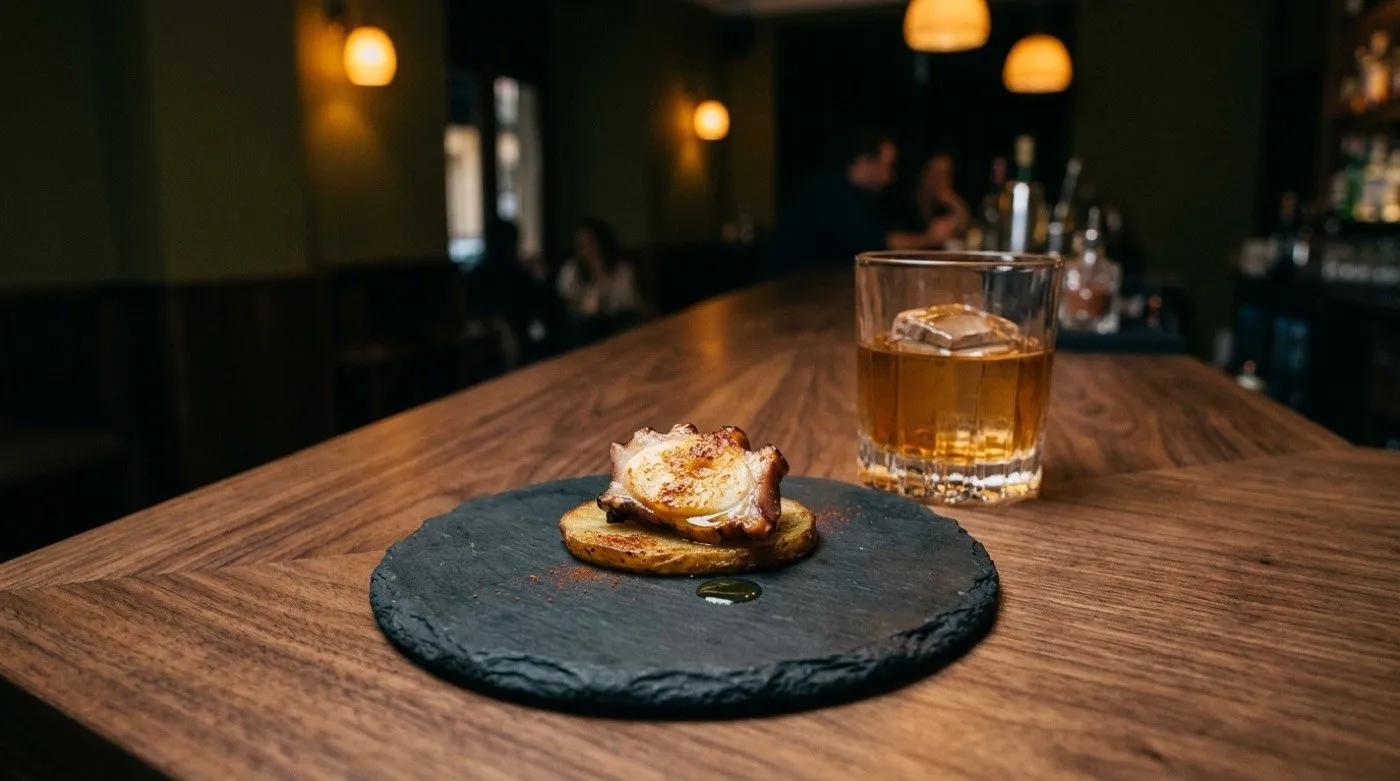
- Sous-vide octopus with citrus cocktails: the slow sous-vide cooking of the octopus reaches a tenderness impossible to achieve any other way, and when paired with a cocktail that brings acidity — such as citrus-based or fermented ones — it creates a balance that reflects the tension between artwork and viewer. Discover more in our sous-vide octopus.
- Burrata or creamy cheeses with clarified cocktails: the enveloping texture of a creamy cheese needs a drink that complements it without competing. Milk-clarified cocktails have a light, silky texture that embraces the cheese without overloading the palate, like an installation that converses with the space.
- Tuna tartare with ferments: the functional acidity of our ferments — similar to yuzu but with more depth — lifts the richness of the tuna and creates a pairing that works as a metaphor for the artistic process: excellent raw ingredients + technique = masterpiece. Explore our philosophy of lacto-fermentation in cocktail making.
- Iberian small plates with complex-bitters cocktails: good Iberian ham deserves a drink worthy of it. The complex bitters in our signature cocktails cut through the fat and reveal nuances in the charcuterie that go unnoticed with a standard glass of wine.
When to come and how to book
The ideal window for a post-museum aperitivo depends on which day you choose for the Reina Sofía. On Friday and Saturday we open the evening shift from 19:00 to 23:00: the natural fit for anyone leaving the museum at the end of the day who wants to extend the conversation without rushing. On Sundays we serve continuously, from 11:00 to 23:00, so a morning visit links straight through to the table. On Wednesday and Thursday we open from 9:00 to 17:00 — the option for anyone touring the collection first thing and coming on to Moreto 9 afterwards — and on Friday and Saturday we add the midday shift, from 11:00 to 15:00. We are closed on Monday and Tuesday. The space is designed for an intimate experience, with limited capacity that ensures every visit is treated with the attention it deserves.
Booking is not compulsory, but it is advisable, especially at weekends and on notable dates. You can book directly on our booking page. The venue is sized so the experience is never crowded: there is no long bar with twenty stools here, nor tables crammed against one another. It is a space where silence and conversation coexist, where the music never rises above the volume of voices, and where every cocktail is served with the same dedication as a work of art. If you are looking for the perfect epilogue to your visit to the Reina Sofía, this is the place.
Frequently asked questions
How long does it take to walk from the Reina Sofía to STILLROOM?
About twelve minutes on foot, following a route that crosses Las Letras and enters Los Jerónimos through quiet, charming streets.
Is it better to come before or after dinner?
STILLROOM is designed as an aperitivo or a light dinner. The small plates menu works perfectly for sharing between two or three people, but if you would rather have dinner first, you can come afterwards and just have cocktails.
Do you have alcohol-free cocktails?
Yes, we have a whole chapter of alcohol-free cocktails made with the same advanced techniques as our signature cocktails: ferments, house cordials and our own infusions. You can see it on the cocktail menu or ask our bar team, who will guide you according to what you fancy.
Can I come alone, or only as a couple or group?
STILLROOM is open to every kind of visit: alone, as a couple, with friends. The bar is an excellent spot for anyone coming solo who wants to chat with the bartenders about the cocktails.
Which are the most representative signature cocktails?
The Garibaldi Fermentado, the Green Negroni and the Clarified Milk Punch are the most requested, but the menu unfolds in three acts — signature creations, revisited classics and alcohol-free cocktail making — and there is plenty more to discover. Check the full menu to see them all.
Do you take large groups?
Because of the space’s limited capacity, large groups should check availability in advance. The easiest way is to write to us from the contact page or call us: that way we can arrange the day, the time slot and the cocktail and small plates proposal that best suits the group.