Lacto-fermentation in Cocktail Making: Technique, Signature Cocktails and the Garibaldi Fermentado Recipe | STILLROOM Madrid
· Updated

Lacto-fermentation in cocktail making: why it’s redefining the bar in 2026
2026 marks a turning point in signature cocktail making. The world’s most innovative bars have drastically lowered the alcohol content of their creations, prioritising aromatic complexity over ethanol strength. This trend, known as low-ABV, together with the rise of savoury cocktails (those with salty, umami and vegetal undertones), has pushed mixologists to look for tools that go beyond traditional citrus.
Lacto-fermentation answers that demand exactly. This ancient process, which converts natural sugars into lactic acid through beneficial bacteria, delivers a complex, multidimensional acidity that no lemon or lime can offer. The result is what experts call “liquid umami”: a deep, slightly saline base note, with body and a lingering finish that elevates any preparation.
In central Madrid, Stillroom has positioned itself as a pioneer in applying lacto-fermentation to signature cocktail making. Its menu naturally incorporates fermented ingredients, transforming fruit, vegetables and herbs into active elements that define the profile of its signature cocktails. An approach that combines technique, sustainability (making use of kitchen off-cuts) and flavour.
What lacto-fermentation actually is
Lacto-fermentation is a food preservation and transformation process that uses lactic acid bacteria naturally present in the environment. The main genera include Lactobacillus and Leuconostoc, micro-organisms that thrive in the absence of oxygen and that, by metabolising the available sugars, generate lactic acid as their end product.
The mechanism is elegant in its simplicity. In an anaerobic environment (without oxygen), these bacteria break down the carbohydrates in fruit or vegetables, releasing lactic acid that progressively lowers the pH of the medium. While a fresh food sits at a neutral pH of around 6.5, a successful lacto-fermentation drops to 3.5, creating an environment hostile to pathogenic bacteria and preserving the ingredient naturally.
This drop in pH radically transforms the aromatic profile. The acidity becomes rounder, gentler than citric acid, and additional notes appear: umami, slightly lactic, with body and complexity. It is the same chemistry that turns white cabbage into crunchy sauerkraut, Chinese cabbage into Korean kimchi, soybeans into miso paste or flour into sourdough.
In cocktail making, this transformation is revolutionary. A lacto-fermented ingredient delivers complex acidity without needing to squeeze lemons, allows the use of parts of the produce that were traditionally discarded (peels, cores) and adds a flavour dimension that radically sets a cocktail apart. It is not alcoholic fermentation (which uses yeasts and produces ethanol); it is an acid fermentation that intensifies the ingredient’s original flavour.
How to lacto-ferment ingredients for cocktails: the Stillroom protocol
The lacto-fermentation process for bar use is accessible and scalable, though it demands attention to fundamental details. Below is the protocol Stillroom applies in its kitchen, valid for fruit, vegetables, aromatic herbs and citrus peel.
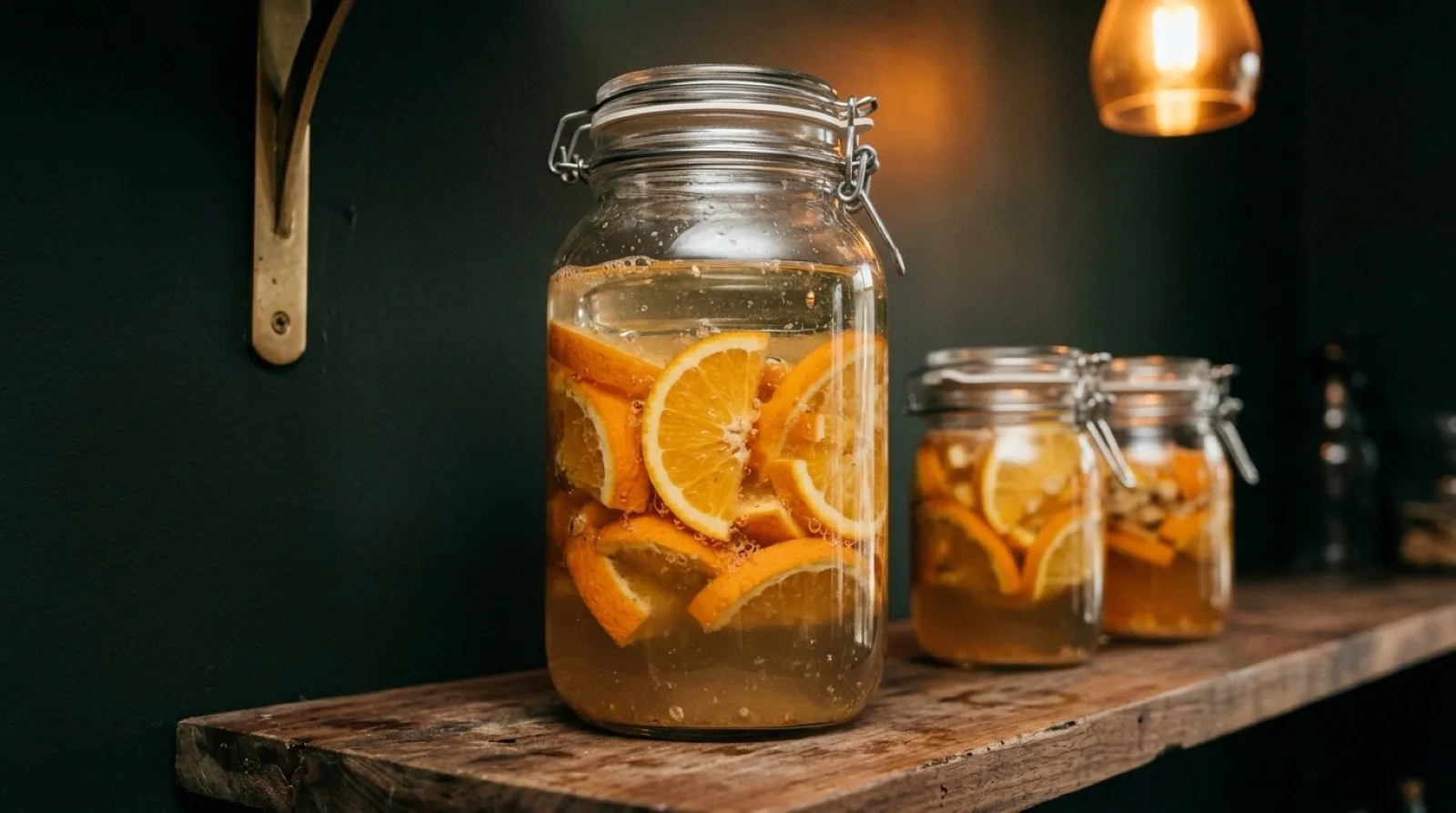
- Wide-mouth airtight glass jars (Kilner-type)
- Kosher salt or non-iodised sea salt
- Filtered or chlorine-free mineral water
- A fermentation weight (a kitchen stone, or a lid that fits snugly inside the jar)
- Fine muslin and an elastic band
- pH test strips
- A label for dating
- Thoroughly clean the jar and the ingredient with hot water. Air dry.
- Cut the ingredient into pieces or slices, depending on its nature. For fruit and vegetables, cut into 2-3cm pieces to help release their juices.
- Prepare a 2-3% brine (20-30g of salt per litre of water). Dissolve in warm water and leave to cool completely.
- Place the ingredient in the jar and pour in the brine until fully covered, leaving a 2cm gap at the top.
- Place the weight on top to keep the ingredient submerged. Anaerobiosis is critical: any contact with oxygen encourages unwanted mould.
- Cover with muslin to allow minimal breathing and protect against insects. Ferment for 3 to 7 days at a room temperature of 20-22°C.
- Monitor the pH daily from day 3 onwards. Once it reaches 3.5-4.0, fermentation is complete.
- Refrigerate to stop the process. The lacto-fermented ingredient keeps in optimal condition for 2-3 months.
The key to success lies in the salt ratio and in keeping the ingredient fully submerged. A common mistake is not using enough weight, which lets pieces float and spoil.
3 STILLROOM signature cocktails with lacto-fermented ingredients
Garibaldi Fermentado reinvents the Italian classic with orange lacto-fermented for 5 days. The traditional citrus is replaced with an orange that has developed a complex, slightly umami acidity, with a subtle lactic base. It is combined with homemade citrus foam, Campari and dry white vermouth. The result is a cocktail that evolves on the palate: a sweet entry, a bitter development and an acidic finish that lingers without astringency. Lacto-fermentation brings a depth that no fresh citrus can offer.
Pinkie (alcohol-free) shows that fermentation also transforms non-ethanol options. Lacto-fermented raspberry brings a rounder acidity and a body reminiscent of kombucha, complemented by artisan tonic water, hibiscus infusion and ginger syrup. It’s a refreshing cocktail with a complex lactic base, ideal for anyone after alcohol-free alternatives without giving up sophistication. Suitable for vegans and anyone cutting back on alcohol.
Roasted Pineapple Tepache fuses the Mexican tradition of tepache with contemporary cocktail-making techniques. The pineapple is roasted first to caramelise its sugars, then lacto-fermented with piloncillo, cinnamon and clove for 7 days. It’s served with fresh lime and sparkling water. The resulting profile combines smoky, acidic and spiced notes with a crisp fizz. Alcohol-free, but with the complexity of a signature cocktail. A perfect example of how lacto-fermentation elevates everyday ingredients.
These three cocktails illustrate Stillroom’s philosophy: technique in the service of flavour, fermentation tradition applied to the most sophisticated cocktail making.
How to make a Garibaldi Fermentado at home
Recreating Stillroom’s Garibaldi Fermentado at home takes some planning, since the key ingredient needs 5 days of fermentation beforehand. The process is simple and the result is well worth the wait.
- For the lacto-fermented orange: 3 organic oranges, 15g kosher salt, 500ml filtered water
- For the cocktail: 60ml lacto-fermented orange (with its juice), 30ml Campari, 30ml dry white vermouth, citrus foam (optional)
- Prepare the brine by dissolving the salt in cold filtered water.
- Peel the oranges and cut them into 1cm slices. Set the peel aside for later culinary use.
- Place the slices in a glass jar and pour in the brine until fully covered.
- Weigh down with a lid or a small stone to keep them submerged.
- Ferment at room temperature (20-22°C) for 5 days, gently turning the jar each day.
- Once the time is up, refrigerate. The orange develops a complex, slightly saline acidic flavour.
- For the cocktail: combine the lacto-fermented orange with Campari and white vermouth in a glass with ice. Shake and strain. Add citrus foam if desired.
Any leftover lacto-fermented orange keeps refrigerated for up to 3 months and can be used in sauces, dressings or even with fresh cheese. A versatile ingredient that transforms any dish.
Lacto-fermentation, health and 2026 trends
Lacto-fermentation in cocktail making is not a passing fad: it fits the macro-trends set to define the sector in 2026 and beyond. The low-ABV movement (cocktails with lower alcohol content but greater complexity) finds in acid fermentation a tool for creating drinks with body and depth without relying on alcohol as the vehicle for flavour.
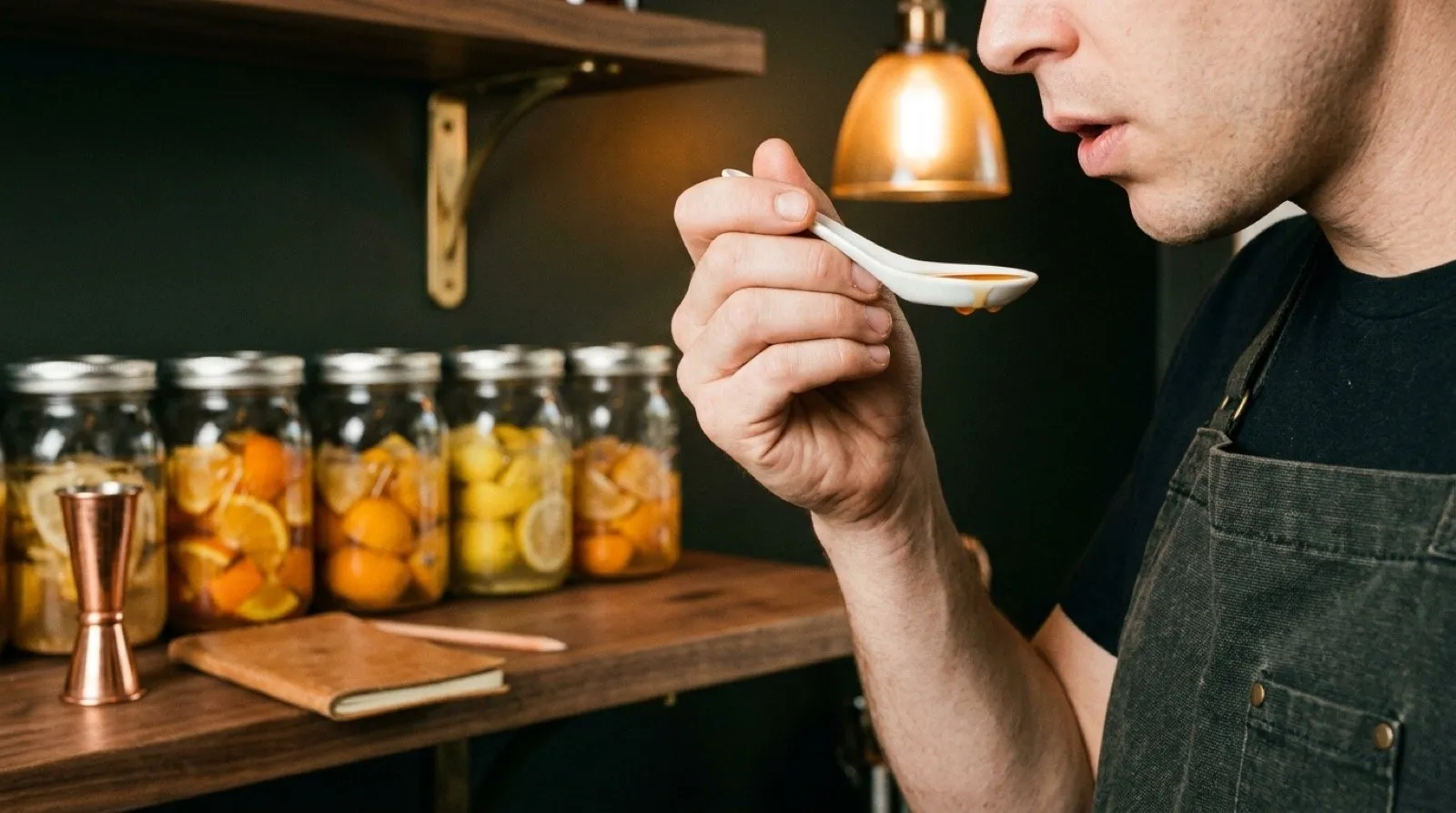
Savoury pairings, the trend that matches cocktails with salty or umami food, benefit enormously from fermented ingredients. A cocktail with lacto-fermented cucumber brings natural salty notes that pair perfectly with dishes rich in glutamates.
Sustainability also drives this technique. At Stillroom, citrus peel, fruit cores and vegetables that were traditionally discarded are put to use. Fermentation transforms these by-products into premium ingredients, reducing food waste.
From a wellness perspective, lacto-fermented ingredients contain beneficial lactic acid bacteria that partly survive in the cocktail, offering probiotics similar to those in sauerkraut or kefir. They are not a substitute for supplements, but they are an added value.
Global adoption confirms this trajectory. The Diageo Bar Academy has added specific fermentation modules to its programmes. World-renowned bars such as Tayer + Elementary (London), Lyaness (London), Carnaval (Lima) and Death & Co (New York) include ferments on their signature menus. At Stillroom, this technique is already a structural part of the offering, not a one-off feature. More on advanced cocktail techniques
Frequently asked questions
Is it safe to drink a cocktail made with lacto-fermented ingredients?
Yes, completely safe. Lacto-fermentation follows the same principle that makes sauerkraut or kimchi safe: lactic acid bacteria produce an acidic environment that inhibits the growth of pathogenic micro-organisms. The acid fermentation process lowers the pH to levels that prevent harmful bacteria from surviving. As always, it is essential to follow the protocol correctly: maintain anaerobiosis, use the right brine (2-3%) and monitor the pH. A correctly fermented ingredient is just as safe as any traditional fermented food.
How long does a lacto-fermented cocktail ingredient keep?
Refrigerated and correctly stored, a lacto-fermented ingredient stays at its optimal quality for 2 to 3 months. The aromatic profile evolves during this time: in the first few weeks, fresh, vegetal notes dominate; as the weeks go by, the lactic complexity intensifies and the flavour becomes rounder. After this period, the ingredient is still safe but may lose aromatic intensity. Stillroom recommends using the ingredients at their optimal point (between the second and sixth week after fermentation) to guarantee maximum complexity on the palate.
Does a cocktail with lacto-fermented ingredients taste odd or sharp?
Not at all. Lactic acid produces a different acidic sensation to citric or acetic acid: it is softer, rounder, with a mouthfeel often described as “slightly lactic, complex, with body”. It’s similar to the difference between a squeezed lemon and a glass of kombucha. The flavour is neither strange nor unpleasant; on the contrary, it adds a dimension of complexity that many describe as liquid umami. If you have tried kombucha or kefir, you will recognise that sense of acidic depth that does not pucker or burn.
Do I need to book to try STILLROOM’s fermented cocktails?
We recommend booking, especially for the fermented signature cocktails, during our busiest periods: the Friday and Saturday evening service (19:00 to 23:00) and Sunday, when we open from 11:00 to 23:00. Stillroom operates as a full-table gastro cocktail bar, and demand for its signature cocktails is high. You can book on our booking page or call 619 21 36 16. For large groups or private experiences, we recommend booking at least 48 hours in advance.
Can I lacto-ferment any ingredient for cocktails?
Most fruit and vegetables work exceptionally well for lacto-fermentation in cocktail making. The most tried-and-tested, effective ingredients include: oranges, lemons, grapefruit, strawberries, raspberries, pineapple, cucumber, courgette, carrot, beetroot, celery, ginger and herbs such as coriander or mint. High-sugar fruits (grapes, apples) need extra attention because of possible secondary alcoholic fermentation. It’s important to avoid meat, fish or dairy products, since they are not a suitable substrate for lactic acid bacteria and could allow dangerous bacteria to proliferate. Waxy-skinned ingredients (citrus) need to be cut to encourage contact with the brine.