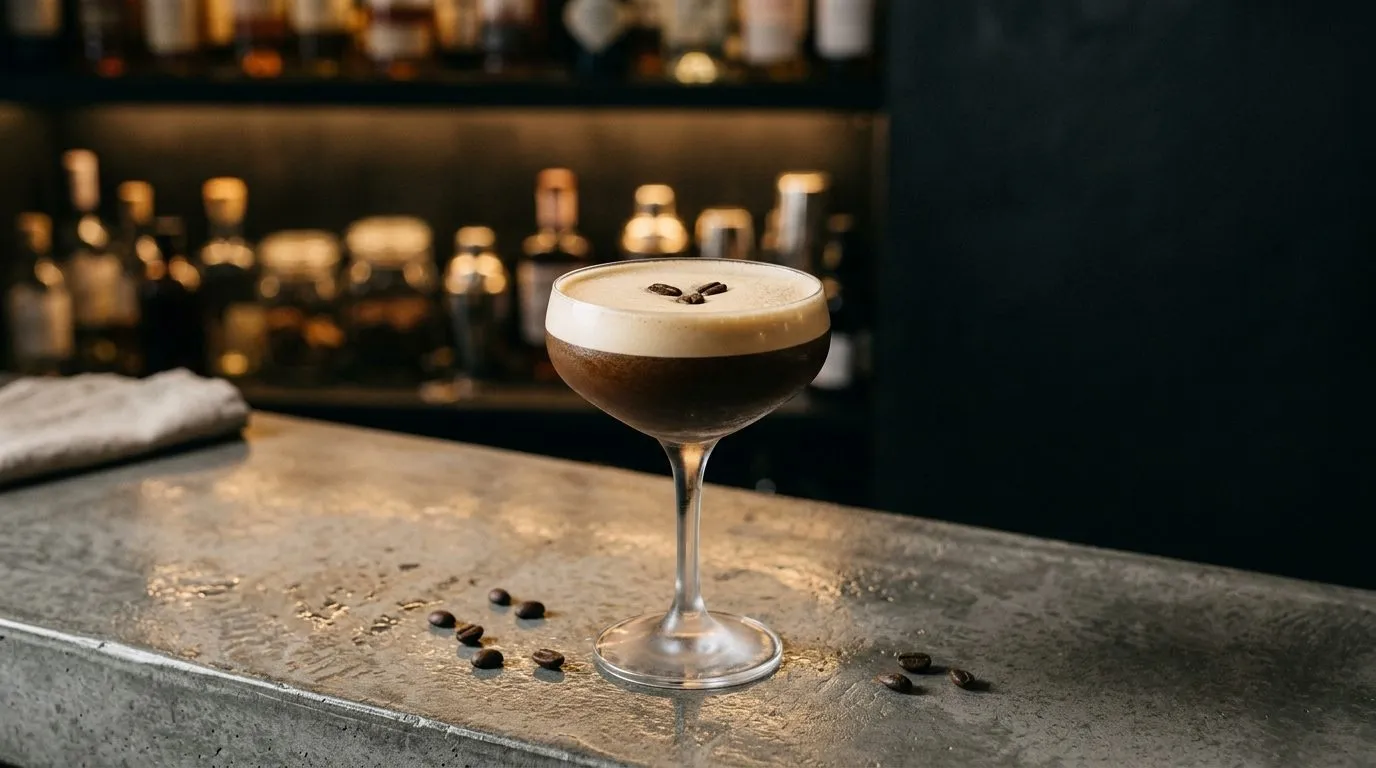
The Espresso Martini has cemented its place as the breakout cocktail of recent years on the Spanish mixology scene. At Stillroom, Calle Moreto 9, we’ve watched this drink go from a nightclub classic to the favourite of true coffee lovers and signature cocktail enthusiasts alike. Its success lies in the perfect combination of the espresso’s intensity, the coffee liqueur’s sweetness and the vodka’s strength, creating a sensory experience that wakes up the senses and keeps the conversation lively right through to the last order of the night.
Coffee culture in Spain has evolved exponentially over the past decade. We Spaniards have gone from drinking coffee purely as a morning drink to turning it into a versatile element of night-time cocktail making. The Espresso Martini represents that shift: it isn’t simply a cocktail with coffee in it, but a statement of intent that combines bartending technique with respect for the base product. In Madrid, the trend has taken off across the city’s signature bars, where every venue looks for its own personal take on this iconic drink.
Ingredients for the Perfect Espresso Martini
Precision in the measurements is essential to achieving an Espresso Martini that meets the standards demanded by an increasingly discerning public. At Stillroom we recommend working with top-quality ingredients and respecting the set proportions to guarantee the perfect balance of strength, sweetness and texture.
- Vodka: 50 ml. We recommend a premium-quality vodka, preferably wheat- or potato-based, with clean, neutral notes that let the coffee shine.
- Kahlúa: 20 ml. This Mexican coffee liqueur brings the necessary sweetness and complements the espresso’s roasted notes with hints of vanilla and cocoa.
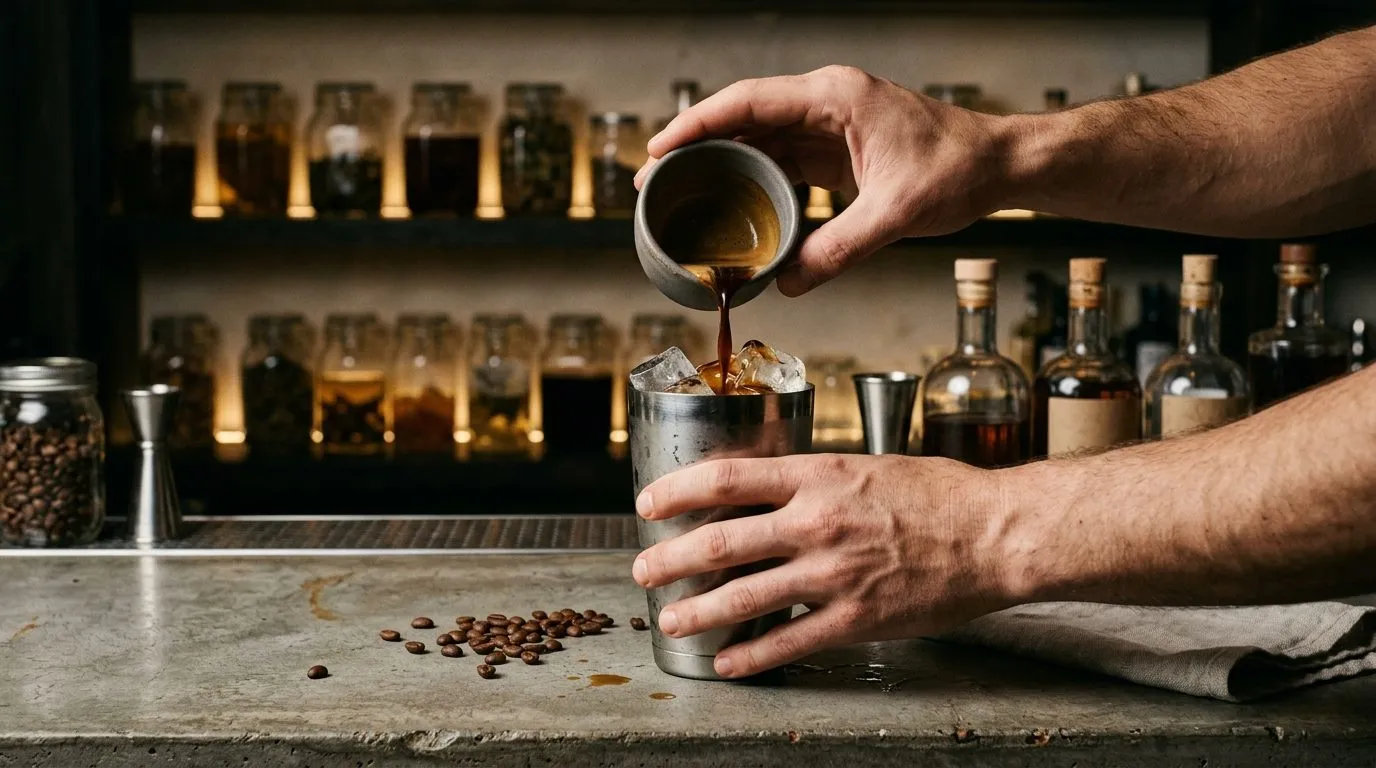
- Freshly pulled espresso: 30 ml. The heart of the cocktail. It must be made on the spot, with a 25-to-30-second extraction that guarantees a dense, aromatic crema.
- Sugar syrup: 10 ml. It supplies the final sweetness and helps create the characteristic foam that sets a good Espresso Martini apart from a mediocre one.
For the finishing touch, you’ll need three whole coffee beans, which make up the classic “three beans” garnish that crowns the drink and adds a distinctive visual element.
Step-by-Step Preparation
Making the perfect Espresso Martini calls for meticulous attention to every detail of the process. From pulling the espresso to the moment of service, every step directly shapes the drink’s final result.
Step 1: Preparing the Espresso
The espresso must be made immediately before mixing the cocktail. Use a good professional or home espresso machine, with freshly ground coffee and a medium-fine grind. The extraction should run for 25 to 30 seconds, yielding around 30 ml of liquid with a thick, dark-hazelnut-coloured crema. Extraction technique is crucial: an under-extracted espresso will taste sharp and sour, while an over-extracted one will bring burnt flavours that ruin the cocktail’s balance.
Step 2: Chilling the Glass
Before you start mixing, the cocktail glass needs to be properly chilled. Place the glass in the freezer for at least 30 minutes or, if time is short, swirl it with ice and water for a few seconds and discard them before pouring the mix. A cold glass is essential to keep the creamy texture and stop the cocktail diluting prematurely.
Step 3: A Vigorous Shake
In a metal shaker, add the vodka, the Kahlúa, the sugar syrup and the freshly pulled espresso. Add plenty of ice, filling the shaker about two-thirds full. The shake should be vigorous and prolonged, roughly 15 to 20 seconds. This step is essential for two critical things: first, slightly diluting the cocktail through controlled ice melt, and second, working in air to create that characteristic silky foam that gives away a well-made Espresso Martini.
Step 4: Straining and Serving
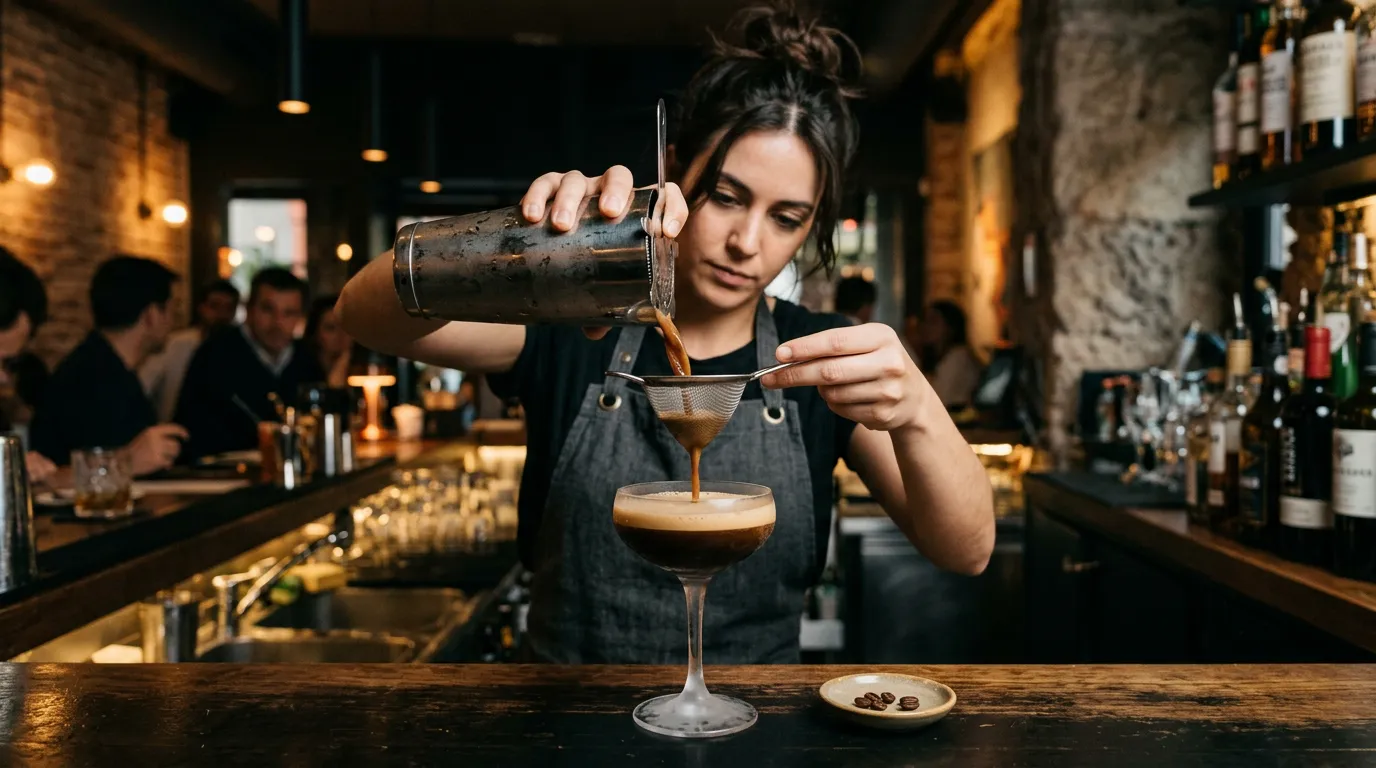
Use a fine-mesh strainer to pour the mix into the pre-chilled glass. Strain carefully to preserve the foam built up during the shake. The final texture should be silky, with a dense layer of foam on the surface. Garnish with three coffee beans arranged elegantly on the foam, creating the classic presentation that identifies this drink the world over.
Common Mistakes to Avoid
From our experience at Stillroom, we’ve identified the most common mistakes that get in the way of an exceptional Espresso Martini. Knowing these pitfalls will help you avoid them and improve the quality of your own preparations.
Using Cold or Low-Quality Coffee
The most serious and most common mistake is making the cocktail with coffee that isn’t freshly made. Espresso loses its aromatic compounds within minutes, so using coffee that’s an hour old or, worse still, coffee from an automatic bean-to-cup machine, will give you a flat, lifeless cocktail. Aromatic intensity is the soul of this drink, and only a freshly pulled espresso can provide it.
An Insufficient Shake
Often, for fear of over-diluting the cocktail, bartenders go for a short, gentle shake. This mistake stops enough air being worked in to create the characteristic foam. The result is a thin drink with no body, lacking the creamy texture that defines a well-made Espresso Martini. The shake needs to be intense and committed.
Room-Temperature Glasses
Serving the cocktail in glasses that aren’t cold is an unforgivable mistake. Room temperature will break down the foam immediately and speed up dilution, turning an elegant cocktail into a watery, unappealing drink. The glass should be ice-cold when it receives the mix.
Incorrect Proportions
Changing the proportions without knowing what you’re doing can throw the drink off balance. Too much vodka will overwhelm the coffee flavours, while too much Kahlúa will make it sickly sweet. The syrup needs to be dosed with precision: its job is to add subtle sweetness without eclipsing the other flavours.
The Stillroom Version: Fat Washing with Coffee Butter
At Stillroom we’ve developed a signature version of the Espresso Martini that takes the traditional experience to a completely new level. Our technique is a fat washing process that infuses vodka with coffee butter, creating a richer, more unctuous texture that perfectly complements the intensity of the espresso.
To make our version, we first prepare a vodka infusion with speciality coffee butter. This process involves mixing premium vodka with high-quality unsalted butter infused with freshly roasted coffee beans, then leaving it to macerate under refrigeration for 24 hours. We then freeze the mixture to separate out the solidified fat, giving us a vodka infused with creamy notes and an exceptional body.
The result at Stillroom is an Espresso Martini with greater aromatic complexity, where the butter lends a silky texture that coats the palate and extends the coffee finish. Guests who try our signature version often describe a more sophisticated, satisfying experience, where every sip reveals new layers of flavour.
Beyond the fat washing, we occasionally vary the coffee liqueurs by season, bringing in options from other producers or house infusions with spices such as cardamom or vanilla, always keeping the balance that defines a great Espresso Martini.
Tips from the Stillroom Bartenders
- Always use medium-dark roast coffee beans for the espresso, as they give the perfect balance between acidity and bitterness.
- The order you add ingredients to the shaker matters: start with the vodka and the syrup, then add the Kahlúa and finally the espresso, to minimise its contact with the ice.
- If you don’t have a metal shaker, use a glass jar with an airtight lid, but metal will always chill the drink better.
- The foam should have the consistency of softly whipped cream; if it’s too runny, the shake wasn’t vigorous enough.
- Serve immediately after making it; the Espresso Martini doesn’t improve with time and should be drunk within the first few minutes.
The Espresso Martini represents the perfect intersection of Spanish coffee culture and the creativity of signature cocktail making. At Stillroom, Calle Moreto 9, in the Los Jerónimos neighbourhood, Madrid, we look forward to showing you that this classic cocktail can keep reinventing itself, offering unique and memorable experiences.
Frequently asked questions
What are the exact proportions for an Espresso Martini?
The classic recipe starts from a simple ratio: 50 ml vodka, 20 ml coffee liqueur, 30 ml freshly pulled espresso and 10 ml sugar syrup. From there the balance can be adjusted to taste, but that base guarantees that neither the alcohol nor the sweetness masks the coffee. If you prefer a less sweet version, cut the syrup to 5 ml and compensate with a slightly longer extraction. To see what we’re pouring at the bar these days, take a look at our cocktail menu.
Do you need an espresso machine to make it at home?
It isn’t essential, but it is recommended. The crema and concentration of the espresso are what give the cocktail its characteristic texture and flavour. If you don’t have an espresso machine, you can use a moka pot or an Aeropress with a fine grind: the result will be different, but perfectly respectable if you adjust the coffee ratio. What you should avoid is instant coffee or a weak filter brew, because they add too much water and barely any crema. At our bar we always work with professional extraction and freshly ground coffee.
What can I use instead of Kahlúa?
Kahlúa is a coffee liqueur with notes of vanilla and cocoa, and swapping it out is no drama at all: another quality coffee liqueur, such as Tia Maria, or a homemade coffee cream. If you’re after an alcohol-free option, try a sweetened coffee concentrate with a touch of vanilla extract; you’ll lose some complexity, but you’ll keep the sweetness and body. When we make our own variations, we play with house infusions and fermentations; if you’d like to find out what we’re working on right now, just ask us at the bar.
How do I get that dense, creamy foam?
The Espresso Martini’s foam comes from a vigorous, prolonged shake, 15 to 20 seconds with plenty of ice. The air worked in during the shake emulsifies with the espresso crema and the syrup, and that’s where the silky layer comes from. It’s also essential to start from a freshly made espresso with good crema and to strain the mix with a double strain, which removes the ice shards that would break the texture. If the foam doesn’t hold, check that the coffee isn’t watery and that the shaker seals properly.
Can it be made without vodka, or with cold coffee?
Without vodka you can use gin or white rum, although the profile will change quite a bit; there’s also an alcohol-free version, built with a coffee concentrate, syrup and a non-alcoholic spirit. With cold coffee, on the other hand, we don’t recommend it: the espresso needs to be freshly pulled when you build the cocktail, because its crema and temperature are what hold the emulsion together. Coffee that’s been sitting around will give you a flat drink with no foam. The name of every technique and tool is explained in our cocktail and mixology glossary.
What is fat washing and how does it affect the Espresso Martini?
Fat washing means infusing a spirit with a fat — butter, oil or nuts — and then freezing it to remove that fat. What’s left is a distillate that keeps the aroma and texture of the fat with no visible trace of oiliness. We apply it to vodka with coffee butter: the result has a silkier body and a longer coffee finish. It’s a house technique and it isn’t always on the menu, so if you want to know whether we’re pouring it today, just ask us. You’ll find the detail in our guide to fat washing.