What is a sour: the cocktail family built on acid balance
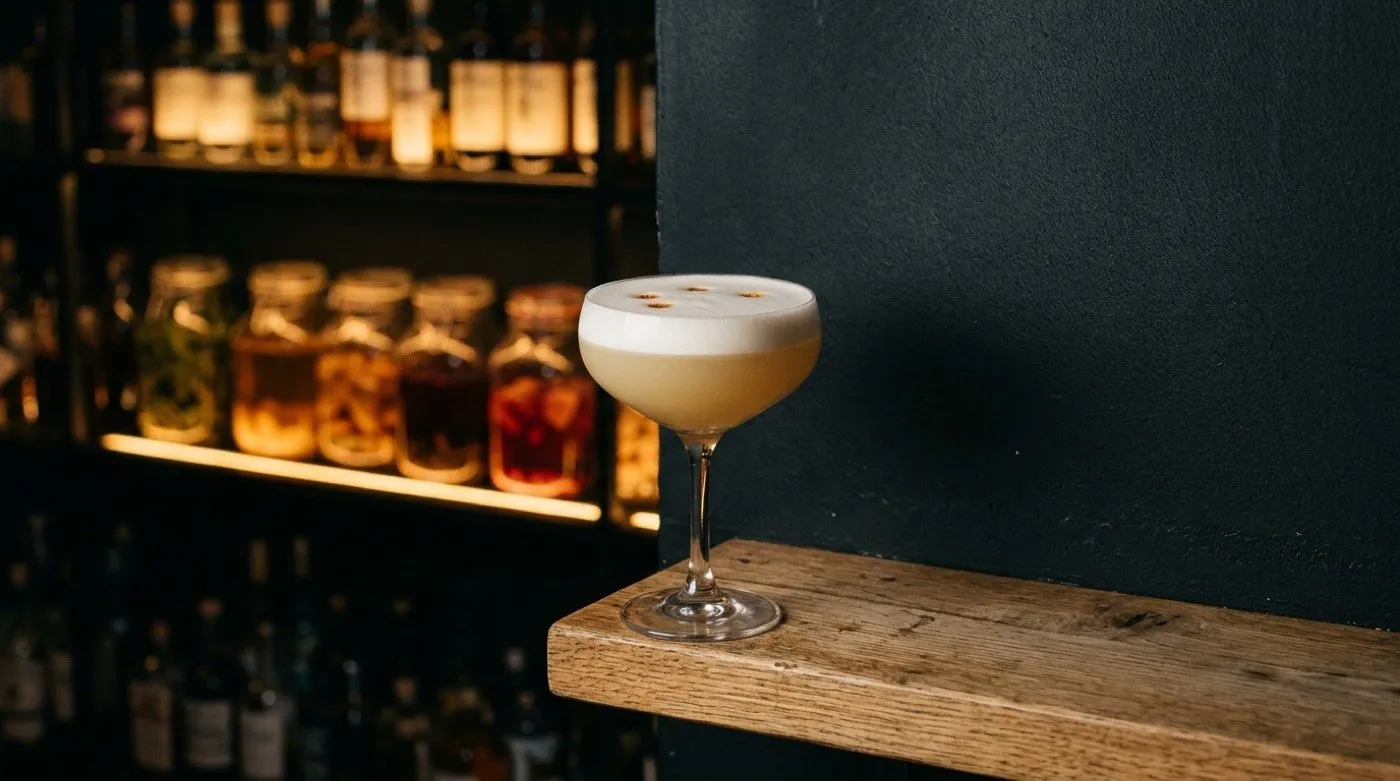
A sour in cocktail making is not a single recipe, but an entire family of cocktails that share the same principle of balance: the precise tension between a spirit, a citrus that provides acidity and a sweet touch that rounds off the whole. At STILLROOM we understand it as the mother formula of modern cocktail making, a pattern that gives rise to classics such as the whisky sour, the daiquiri, the margarita or the sidecar, and which in our laboratory we take into new dimensions with techniques such as clarification, lacto-fermentation or fat washing.
What the sour family is and how it works
Talking about “what is a sour” means looking beyond the glass. The sour family rests on a three-part structure that works like a tripod: a base spirit, a citrus that introduces acidity, and a sweetener that softens and unites both ends. That three-way relationship is the essence of the sour, and it is what allows personalities as different as a crystalline daiquiri or a silky clover club to emerge from the very same logic.
The classic sour formula boils down to a ratio many bartenders call the golden ratio: 2 parts spirit, 1 part citrus and 1 part sweet. Two, one, one. It is not an immovable law — at STILLROOM we are constantly adjusting it according to the real acidity of the citrus, the profile of the spirit and the type of sweetener we use — but it is the most reliable starting point for understanding how this balance is built. When that ratio is respected, the drink breathes: the alcohol does not bite, the acid does not scratch and the sweet does not cloy. It is a dynamic balance that translates, on the palate, into freshness, length and a final dryness that invites another sip.
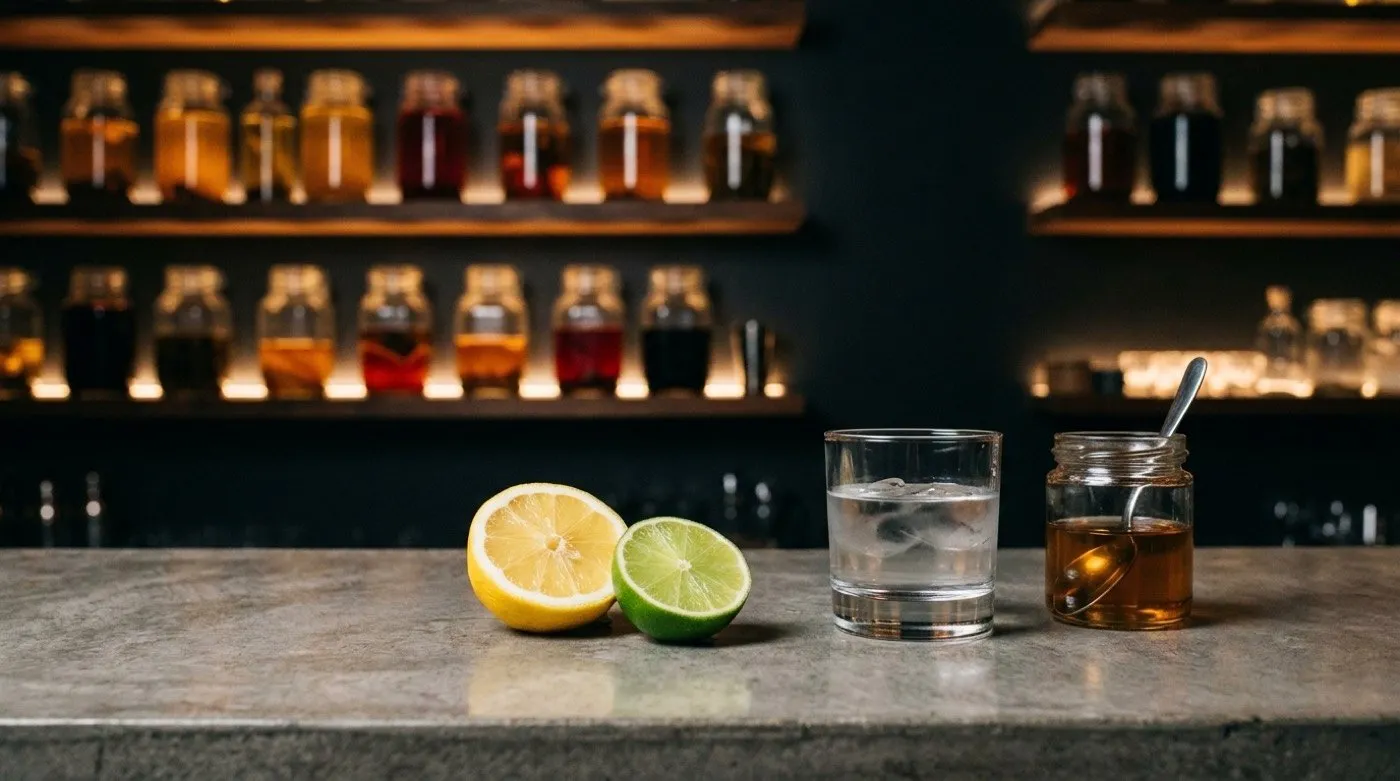
The soul of the sour family is precisely that sweet-and-sour balance. Without the acidity of lemon, lime or grapefruit, the cocktail would be flat, heavy, one-dimensional. Without the sweet counterpoint — sugar, syrup, honey, cordial — the citrus would come across as harsh and astringent. What turns a sour into a great sour is the tension between both poles, a tightrope the bartender tightens or loosens with every specification. In our case, we work with citrus freshly squeezed to order and develop our own cordials and syrups — many of them fermented or vacuum-infused — to achieve nuances that go far beyond simple sweetness.
Then there is the component that does not appear in every recipe but defines the family’s most iconic texture: egg white or, in its plant-based version, aquafaba. When a sour includes egg white, we talk about a sour “with body”, a drink that gains a layer of silky foam and an enveloping mouthfeel that rounds off every edge. The technique for achieving this is the dry shake: shaking all the ingredients without ice first, so the protein emulsifies and forms that aerated structure, then adding ice and shaking again to chill and dilute. The result is a creaminess that has nothing to do with fat, but with protein emulsion, and that turns every sip into a tactile experience.
Essential cocktails of the sour family
When someone asks “which cocktails belong to the sour family?”, the answer starts with the classics every bartender knows and every drinker should try. But the beauty of it lies in seeing them for what they are: variations on the same pattern. Change the spirit, change the citrus, change the sweet, and what you get is a new drink with a personality of its own. This table gathers the most representative ones:
| Classic sour | Spirit | Citrus | Sweet touch |
|---|---|---|---|
| Whisky sour | Bourbon or rye whiskey | Lemon juice | Simple syrup or sugar |
| Daiquiri | White rum | Lime juice | Sugar syrup |
| Margarita | Tequila or mezcal | Lime juice | Triple sec or agave syrup |
| Sidecar | Cognac or brandy | Lemon juice | Triple sec |
| Clover club | Gin | Lemon juice | Raspberry syrup or grenadine |
| Gimlet | Gin | Lime juice (or lime cordial) | Simple syrup or the cordial itself |
Notice one detail: some include egg white — the whisky sour and the clover club are the classic examples — and others do not. The decision to foam or not to foam responds both to tradition and to the profile the bartender is after. At STILLROOM we serve the whisky sour with its crown of firm foam, worked with a dry shake and a dash of Angostura bitters on the surface that perfumes every sip. But we also offer a daiquiri without egg white, bright and clear, where what matters is the purity of the rum and the lime.
Anatomy of a sour: what each element does
Beyond the recipes, understanding a sour means grasping the function of each ingredient in the structure of the drink. It is not about adding things up, but about understanding how they interact in the glass and on the palate. This table breaks down that role:
| Sour element | Function | Notes |
|---|---|---|
| Base spirit | Provides character, alcoholic structure and the main aromatic profile | Defines the cocktail’s identity. It can be a single spirit or a blend (split base). At STILLROOM we use techniques such as fat washing or infusions to modify its profile. |
| Citrus / acidity | Introduces freshness and vivacity and counteracts sweetness and alcoholic weight | Lemon, lime, grapefruit, yuzu… The real acidity varies according to ripeness and variety. We always measure to adjust the ratio. We also work with fermented or lacto-fermented citrus to add complexity without losing brightness. |
| Sweetener | Balances the acidity, rounds off the experience on the palate and can contribute secondary flavours | From simple syrup to honey, agave, sous-vide cordials, or fruit reductions. Its density and sweetening power determine the drink’s final texture. |
| Egg white / aquafaba (optional) | Generates foam, contributes a silky texture and softens the perception of acidity and alcohol | Emulsified with a dry shake. Aquafaba (chickpea cooking water) is the vegan alternative with almost identical results. In both cases we aim for a dense, stable layer. |
The interesting thing is that this anatomy is, at the same time, a creative template. Any variation in one of the elements generates a new sour. Change the spirit, and the personality shifts; swap the lemon for grapefruit, and the acidity drops while bitter notes appear; replace the syrup with a fermented fig cordial, and the result is a completely different drink. That flexibility is what turns the sour family into the favourite canvas of signature cocktail making.
How we use the sour family at STILLROOM
At STILLROOM, the sour is not a mere academic exercise: it is our daily testing ground. We start from the classic formula but bring it onto our own turf by applying many of the advanced cocktail techniques we work with in the laboratory. Sometimes we clarify a sour so it is as transparent as glass while keeping all its flavour; other times we ferment the citrus to gain complexity, or infuse the spirit with seasonal herbs. The structure does not change: balance rules. But the results surprise.
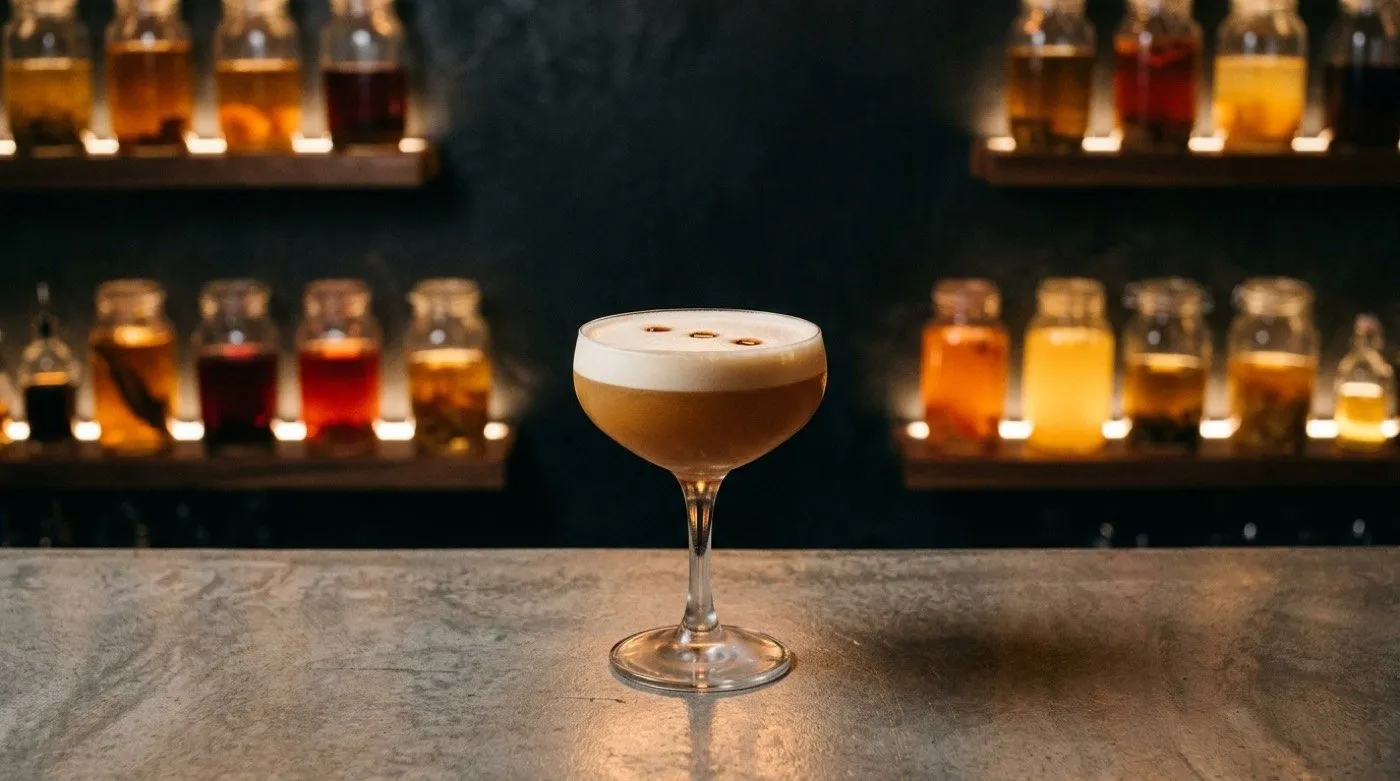
When we make a Clover Club, for example, we respect the historic recipe — gin, lemon juice, raspberry syrup and egg white — but we make our own syrup with macerated raspberries and do a controlled dry shake to achieve a firm, silky pale-pink foam. If you come up to the bar and order a classic daiquiri, we serve it exactly as the canon dictates: quality white rum, freshly squeezed lime juice and just the right amount of sugar, shaken until the dilution is perfect. No flourishes, because a well-made daiquiri needs nothing more. And when we work on a margarita recipe, we do so with absolute respect for the boundary between the tequila, the lime and the triple sec, though we later allow ourselves to explore variations with mezcal, chapulín salt or stone-fruit cordials.
Our menu changes with the seasons, but the sour family is always present in one way or another. We work with non-traditional acids — fruit vinegars, whey, fermented citrus — that expand the concept of acidity without betraying the logic of the sour. And always, always, we measure, taste and adjust: because acid balance is not achieved with a fixed recipe, but with sensitivity and technique.
Three ideas for starting to explore sours
A textbook whisky sour
The ideal starting point for understanding the family. Use a full-bodied bourbon — some rye in the profile helps —, freshly squeezed lemon juice and a dense simple syrup. Add egg white, dry shake for fifteen seconds, add ice and shake again. Strain into a rocks glass over a large ice cube and top with a few drops of Angostura bitters on the foam. The result is creamy, just acidic enough, with the warmth of the whisky present throughout. Try adjusting the sweet ratio once you have it in front of you: that is how you start developing your own palate for balance.
A daiquiri as the minimal, perfect sour
If you want to see how simplicity, well executed, is unbeatable, the daiquiri is your sour. White rum, lime juice and sugar. Nothing else. The key here lies in the quality of the rum and the precision of the lime measure, because with so few elements any imbalance shows instantly. Shake with plenty of ice, fine-strain into a chilled glass and watch how a three-ingredient cocktail can be crystalline, bright and absolutely addictive. It is the sour in its most minimal expression and, at the same time, one of the most demanding to execute.
A house seasonal sour with egg white
This is where our obsession with seasonality comes in. Picture a sour built on a gin infused with fig leaves, organic lemon juice, a light fermented pear cordial and egg white. Shake it using the dry shake technique and serve it in a coupe glass. The foam comes out dense and long-lasting, the aroma is herbaceous and fruity, and the lemon’s acidity finds in the fermented pear a sweet, complex counterpoint that keeps shifting on the palate. These seasonal sours are what let us play with the calendar and with laboratory techniques without losing sight of the original formula.
Frequently asked questions
What is a sour?
A sour is a cocktail family built on the balance between a spirit, a citrus that provides acidity, and a sweetener that softens and unites both poles. It is not a single recipe, but a pattern that gives rise to dozens of different cocktails. In its most recognisable version it can also include egg white or aquafaba to add a silky texture.
What is the formula for a sour?
The classic formula, known as the golden ratio, is 2 parts spirit, 1 part citrus and 1 part sweet. This ratio is a reliable starting point, but bartenders constantly adjust it depending on the acidity of the citrus, the profile of the spirit and the type of sweetener used. At STILLROOM we measure and fine-tune every specification to achieve the exact balance.
Which cocktails belong to the sour family?
The sour family includes every cocktail that follows the spirit + citrus + sweet structure. The most representative are the whisky sour, the daiquiri, the margarita, the sidecar, the clover club and the gimlet, but the list extends to many other classic and contemporary creations that keep that same logic of sweet-and-sour balance.
Do all sours contain egg white?
No, egg white is an optional ingredient. Many classic sours include it to gain foam and a silkier texture — the whisky sour and the clover club are the clearest examples — but others, such as the daiquiri or the margarita, do without it to keep a cleaner, brighter profile. Aquafaba is the plant-based alternative that behaves in almost exactly the same way.
What is the difference between a sour and a fizz?
Both share the same base of spirit, citrus and sweet, and both can include egg white. The key difference lies in the dilution and the finish: the sour is served in a coupe or a rocks glass, with nothing added to lengthen it, while the fizz is topped up with sparkling water or soda, which adds effervescence and a lighter, more refreshing feel. The sour aims for concentrated intensity and balance; the fizz, for liveliness and length. If reading this has made you want to really try what a well-balanced sour means, we invite you to come to STILLROOM and explore our cocktail menu, where sours carry real weight and there is always some seasonal version you have not tried yet. You can book a table to come and take your time, letting the bar team guide you, or simply drop by and discover how this family sounds when we put it through our laboratory. And if you would like to keep reading and going deeper, there is much more in our cocktail glossary.