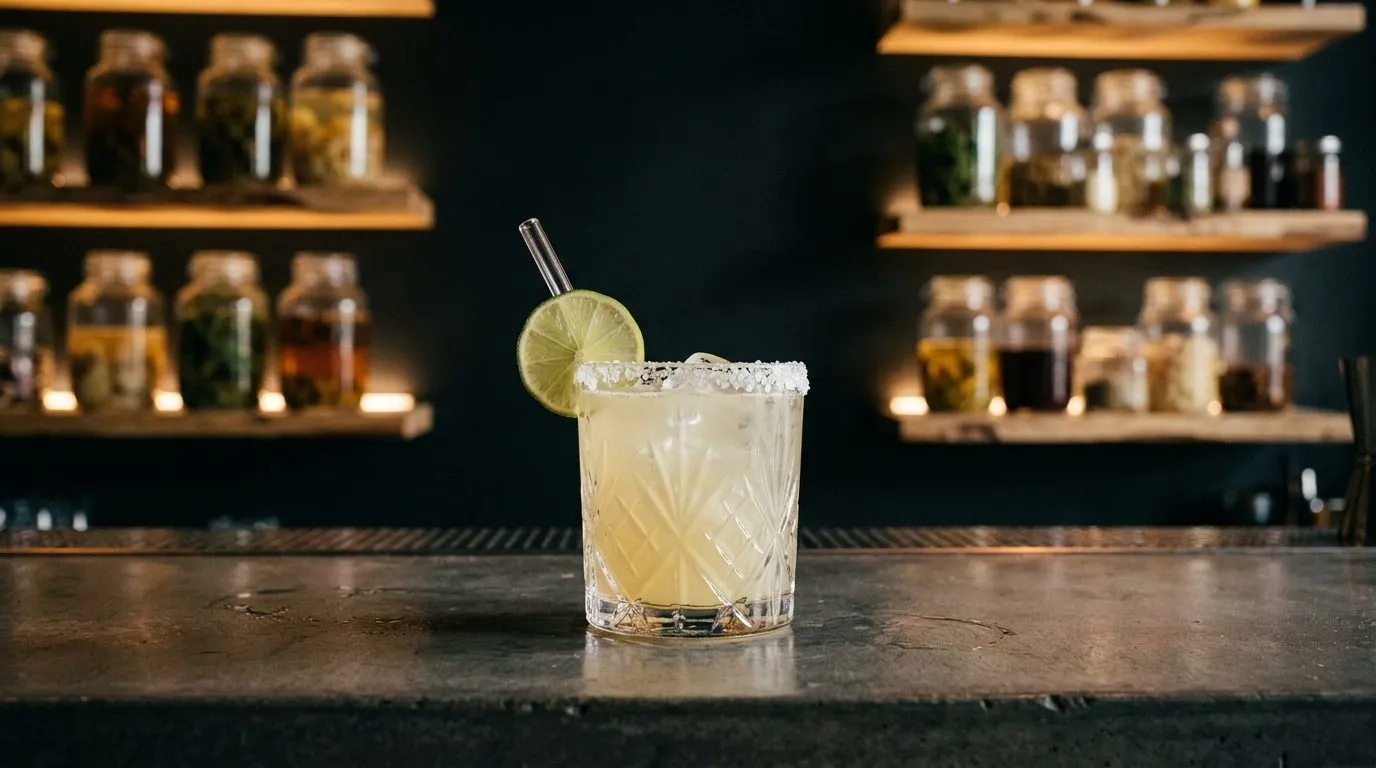
The Margarita is one of the most iconic and admired cocktails in the world. Its perfect balance between the robustness of the tequila, the sweetness of the orange liqueur and the vibrant acidity of the lime has made it an essential choice at any self-respecting signature cocktail bar. At Stillroom, on Calle Moreto 9 in the Los Jerónimos neighbourhood, we have turned this classic into an experience that fuses Mexican tradition with the innovation of contemporary mixology.
Origin and History of the Margarita Cocktail
The origin of the Margarita is wrapped in several legends. The most popular one places its birth at the Los Portales bar in Tijuana, back in 1941, where bartender Carlos Herrera created the drink for a regular customer named Marjorie, whose name in Spanish would become “Margarita”. Another version claims the cocktail was invented by the Mexican José Cuervo to reward a VIP customer who asked for a special drink.
Whatever its true history, the Margarita has evolved into a perfect canvas for bartender creativity. Today we can find it in multiple versions: the frozen, blended with ice until it reaches a slushy texture; the on the rocks, served over ice; and the straight up, shaken and strained directly into the glass. Each presentation offers a different experience, but they all share the same essence: balance, freshness and character.
Ingredients
The authenticity of a Margarita lies in the quality of its components. To make a perfect classic version, you’ll need:
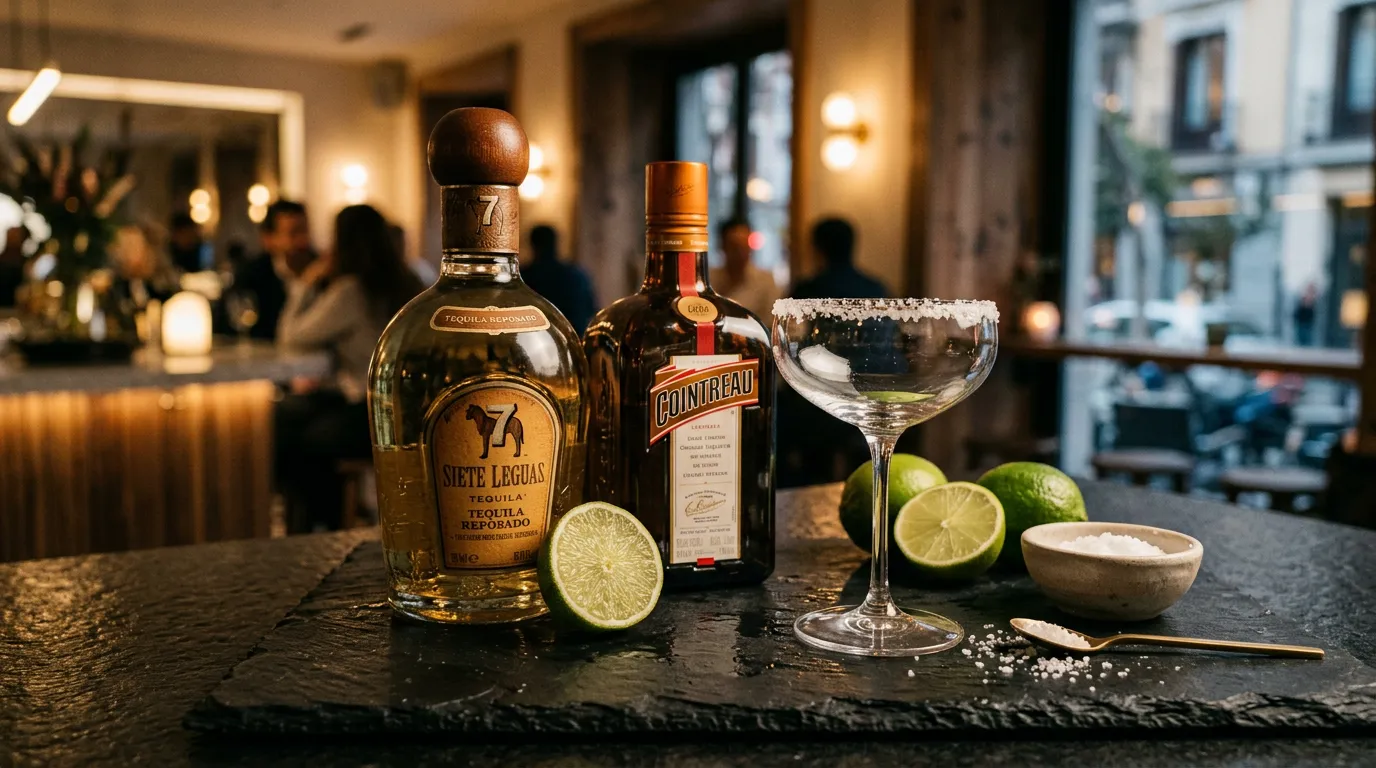
- 50 ml of reposado tequila
- 25 ml of Cointreau (orange liqueur)
- 25 ml of fresh lime juice
- Kosher salt or margarita salt for the rim
- Ice cubes
Choosing the tequila is fundamental. Reposado, which has rested in oak barrels for between two months and a year, brings a complexity and smoothness that blanco tequila doesn’t have. At Stillroom we work with Mexican producers we’ve selected personally, guaranteeing a product that respects tradition while satisfying Madrid’s most demanding palates.
Step-by-Step Preparation
- Chill the glass: Before you start, place the glass in the freezer for a few minutes or fill it with ice and cold water so it chills properly. This is essential to keep the cocktail at the right temperature throughout the drinking experience.
- Prepare the salt rim: Rub a piece of lime around the rim of the glass to moisten it. Then dip the rim into a dish of kosher salt or margarita salt, turning the glass so the salt sticks evenly. Shake off any excess salt gently.
- Add the ice: Add fresh ice cubes to the shaker. Quality ice is essential: it should be dense and clear so it melts slowly and doesn’t dilute the cocktail.
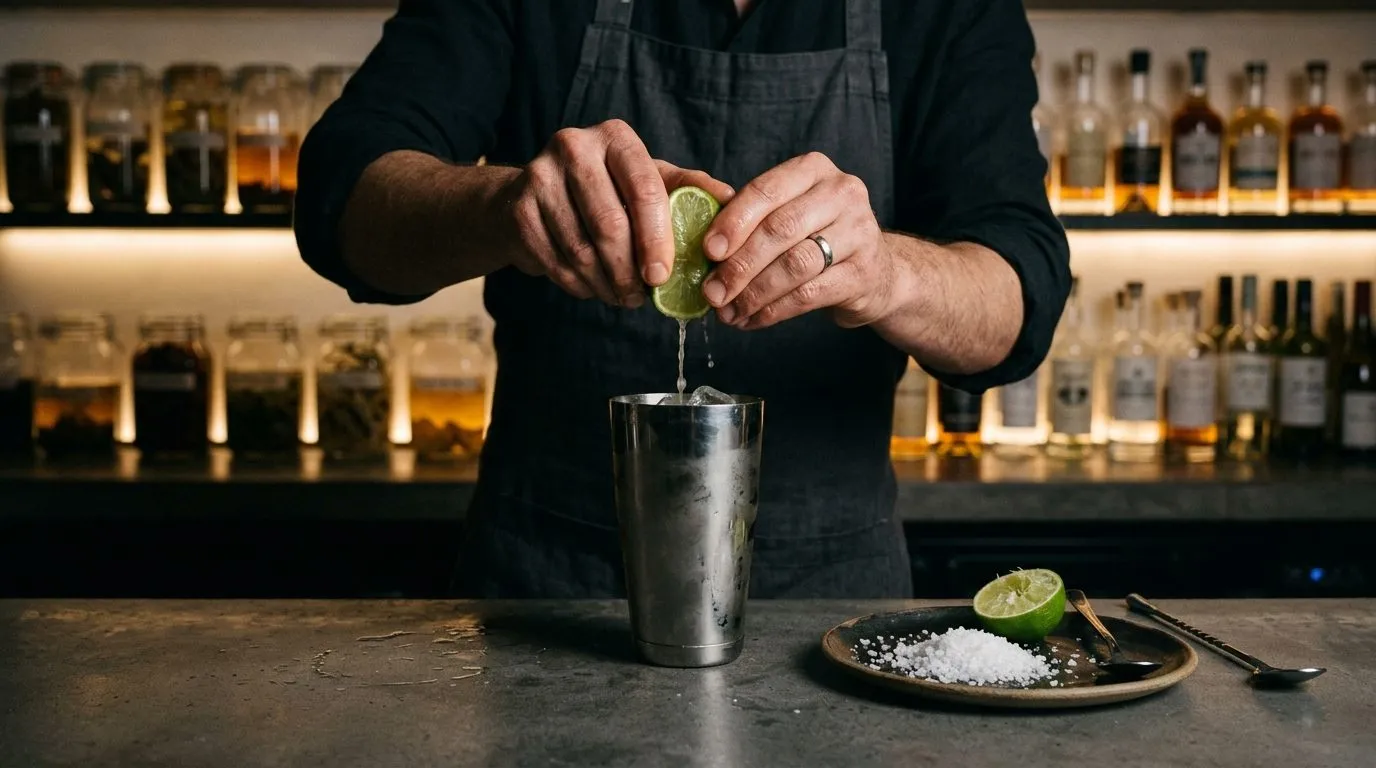
- Pour in the ingredients: Add the 50 ml of reposado tequila, the 25 ml of Cointreau and the 25 ml of fresh lime juice. Make sure the lime is squeezed fresh to preserve its essential oils and vibrant flavour.
- Shake with technique: Close the shaker firmly and shake for about 15-20 seconds. This process, known as shaking in the cocktail and mixology glossary, chills the cocktail, dilutes the ingredients slightly and creates the perfect texture by incorporating air.
- Serve: Use a cocktail strainer to pour the mixture into the prepared glass, keeping the ice out of the drink. The texture should be smooth and slightly frothy.
- Garnish: Add a fresh lime wheel as a garnish. This visual touch not only enhances the presentation but also lets the drinker experience the citrus aroma before taking a sip.
Bartender’s Tip
The temperature of the shake is key. A common mistake is shaking for too short a time, which results in a cocktail that’s too warm and poorly integrated. On the other hand, over-shaking dilutes the drink. 15-20 seconds is the sweet spot: the shaker should feel cold to the touch and the cocktail should show a light layer of foam on the surface.
As for the salt, less is more. A rim that’s too salty can dominate the flavour and turn the experience into something harsh. The salt should complement, never compete.
Popular Variations
Frozen Margarita
For this version, swap the ice cubes for crushed ice and add all the ingredients to a blender jug. The result is a slushy, refreshing drink, perfect for the hottest months. In Madrid, where summer can be relentless, the frozen has become a very popular choice.
Spicy Jalapeño Margarita
This variation has won over spice lovers. Add 2-3 slices of fresh jalapeño to the shaker along with the other ingredients. The heat of the chilli contrasts fascinatingly with the acidity of the lime and the sweetness of the Cointreau. Some versions include a jalapeño reduction to intensify the effect.
Mezcal Margarita
By swapping the tequila for mezcal, we get a smokier, more complex version. Mezcal, made from espadín agave cooked in underground pit ovens, brings earthy notes and a distinctive character that appeals to the boldest tasters.
The Stillroom Version: Our Signature Twist
At Stillroom, on Calle Moreto 9, we have created a signature Margarita that celebrates local flavours and contemporary mixology techniques. Our version incorporates the following distinctive elements:
- Reposado tequila aged in sherry barrels: We work with a reposado tequila that has finished its ageing in Pedro Ximénez sherry barrels, which brings sweet, complex notes that enrich the cocktail’s profile.
- House-made orange liqueur: We replace the Cointreau with an orange liqueur made in our own lab, using Seville orange peel macerated in neutral alcohol with a touch of Madagascar vanilla.
- Agave reduction: We add a natural agave reduction that provides a subtle sweetness and a visual sheen on the surface of the cocktail.
- Hibiscus salt: Instead of conventional salt, we use a salt infused with hibiscus flowers, which brings a discreet pink colour and floral notes that complement the citrus acidity.
The result is a Margarita that respects the essence of the classic while revealing unexpected layers of complexity. Every sip invites you to discover new nuances: the warmth of the agave, the elegance of the sherry, the freshness of the lime and the floral echo of the hibiscus.
This version is served straight up in a pre-frozen coupette glass, with a charred lime garnish that intensifies its essential oils and a touch of dark chocolate bitters on the surface.
The Stillroom Bartender’s Tip
If you’d like to recreate our version at home, the secret lies in the quality of the ingredients and in not rushing. The house-made orange liqueur needs to macerate for at least a week. The agave reduction should be cooked over low heat until it reaches a syrupy consistency. And the hibiscus salt can be made by mixing kosher salt with dried, ground hibiscus petals. The time invested in these elements makes the difference between a good Margarita and a memorable experience.
Discover Our Signature Margarita at Stillroom
At Stillroom, on Calle Moreto 9 in the Los Jerónimos neighbourhood, Madrid, every cocktail tells a story. Our signature Margarita is a tribute to Mexican tradition, reinterpreted with the passion and rigour that define our signature cocktails. We invite you to discover it, to let yourself be carried away by its nuances and to live the Stillroom experience.
Come and visit us, and let yourself be tempted by our cocktail menu, where innovation and respect for the classics meet in every glass. Because at Stillroom we believe in the magic of a well-made cocktail: that’s our commitment.
Frequently asked questions
What are the proportions of a classic Margarita?
The classic proportion is 50 ml of reposado tequila, 25 ml of Cointreau and 25 ml of freshly squeezed lime juice: a 2:1:1 formula that balances alcohol, sweetness and acidity. If your lime is very tart or your orange liqueur turns out too sweet, you can adjust a few millilitres, but always respect that base. The most common mistake is overdoing the citrus: a margarita should be vibrant, never aggressive. Shake with plenty of ice and serve it straight away, before it loses its chill and texture.
What type of tequila do I need for a good Margarita?
The ideal choice is a 100% agave tequila. Reposado, with its brief spell in the barrel, brings notes of vanilla and spice that harmonise with the orange liqueur and give body to the whole. A quality blanco also works very well if you’re after a fresher, more herbal version, with the agave in the foreground. Avoid mixto tequilas, which dilute the agave with other sugars, and very long-aged añejos: the oak ends up overpowering the lime and blurs the cocktail’s character.
Can I use triple sec instead of Cointreau?
Yes. Cointreau is a premium triple sec, made with bitter and sweet orange peel, and its balance makes it the safest choice. A generic triple sec tends to be sweeter and less aromatic: if you use one, add a touch more lime to bring back the citrus tension. You can also macerate your own orange liqueur at home with peel and a hint of vanilla — a lovely route, though it takes patience. The rule doesn’t change: the orange should accompany the tequila, never disguise it.
How do you prepare the salt rim?
The salt rim is a complement, not the star of the show. Moisten only the outer edge of the glass with a lime wedge and dip it gently into kosher salt or margarita salt; then tap off any excess. If you’d rather control the intensity, rim only half the glass and leave the other half clean to drink without salt. Kosher salt, thanks to its flaky texture, sticks better and lifts the citrus notes. A salt infused with dried, ground hibiscus flowers adds colour and floral notes.
What’s the difference between a frozen Margarita and one on the rocks?
The frozen version is blended with crushed ice until it reaches a slushy texture: it’s the most refreshing, though it dilutes faster and loses intensity as it melts. The on the rocks version, served over large cubes, keeps the balance better and lets you appreciate the nuances of the tequila and the orange liqueur. There’s a third route, the straight up: shaken, strained and served in a chilled glass, with no ice in the glass itself. It’s the most elegant, and the one that best preserves the texture of the freshly shaken mix.
How do I make the spicy jalapeño variation or the mezcal one?
For the spicy version, add two or three slices of fresh jalapeño to the shaker and press them gently before shaking: the heat blends in without taking over. If you want it more intense, let the slices sit in the tequila for a few minutes. The mezcal version swaps the tequila for an espadín agave mezcal and brings that characteristic smokiness; you can also mix the two in equal parts for a more complex profile. If you’d like to see how we work with agave here, take a look at our cocktail menu.