STILLROOM’s Green Negroni: the signature green take on the Italian classic | Madrid Jerónimos
· Updated
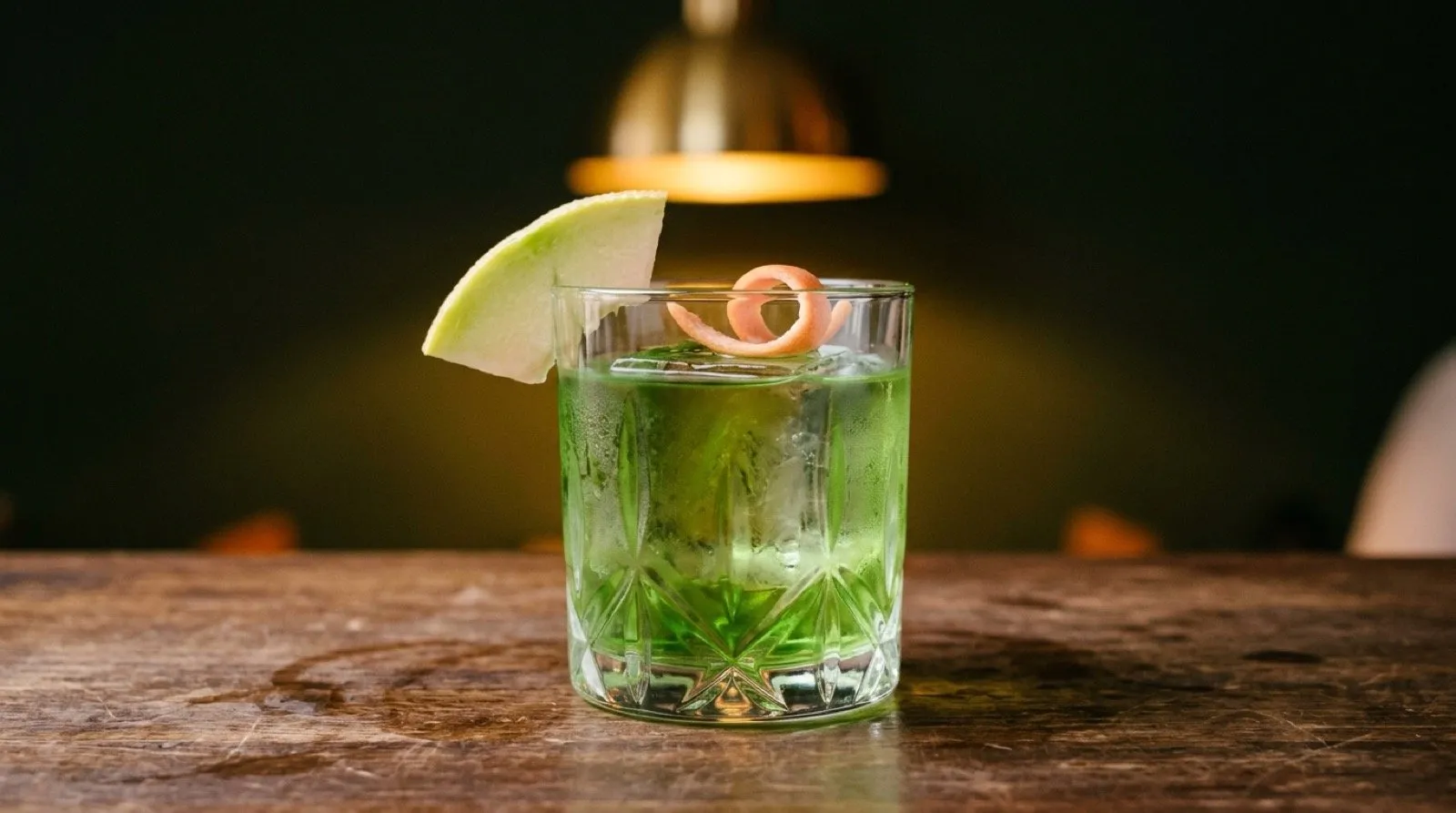
Green Negroni in Madrid: STILLROOM’s signature green Negroni
In the heart of the Los Jerónimos neighbourhood, a five-minute walk from the Prado Museum, STILLROOM has turned signature cocktail craft into an art enjoyed with every sense. Calle Moreto 9 is home to one of Madrid’s most distinctive gastro cocktail bars, where every signature creation tells a story. Among the menu’s 17 exclusive pieces, the Green Negroni stands out: a reinvention of the Italian classic that carries the essence of the Negroni into green, herbal territory.
The Negroni was born in 1919 in Florence, when Count Camillo Negroni asked his regular bartender to replace the soda in his Americano with gin. The result: a three-part cocktail that became an icon of Italian mixology. In recent decades, the cocktail scene in the English-speaking world has explored variations on the classic, and one of the most fascinating is the Green Negroni, which swaps the red bitter for white, herbal options.
At STILLROOM, this version takes on a character of its own. Green Chartreuse VEP — a liqueur from the Carthusian monks of France macerated with more than 130 herbs — brings a herbal complexity no other ingredient can offer. Italian bitter bianco replaces Campari with a more subtle, elegant bitterness. The result is a cocktail that keeps the familiarity of the original Negroni while inviting you to discover new nuances: the perfect bridge for anyone who knows the classic and is looking for something different without giving up its essence.
This version is the creation of Enzo Ruiz, STILLROOM’s Head Bartender, who signs off every one of the house’s signature cocktails with a clear philosophy: respect for tradition, boldness in execution.
Anatomy of the cocktail: five ingredients, and why each one matters
STILLROOM’s Green Negroni is built on five precise ingredients, each with a specific role that contributes to the cocktail’s final balance:
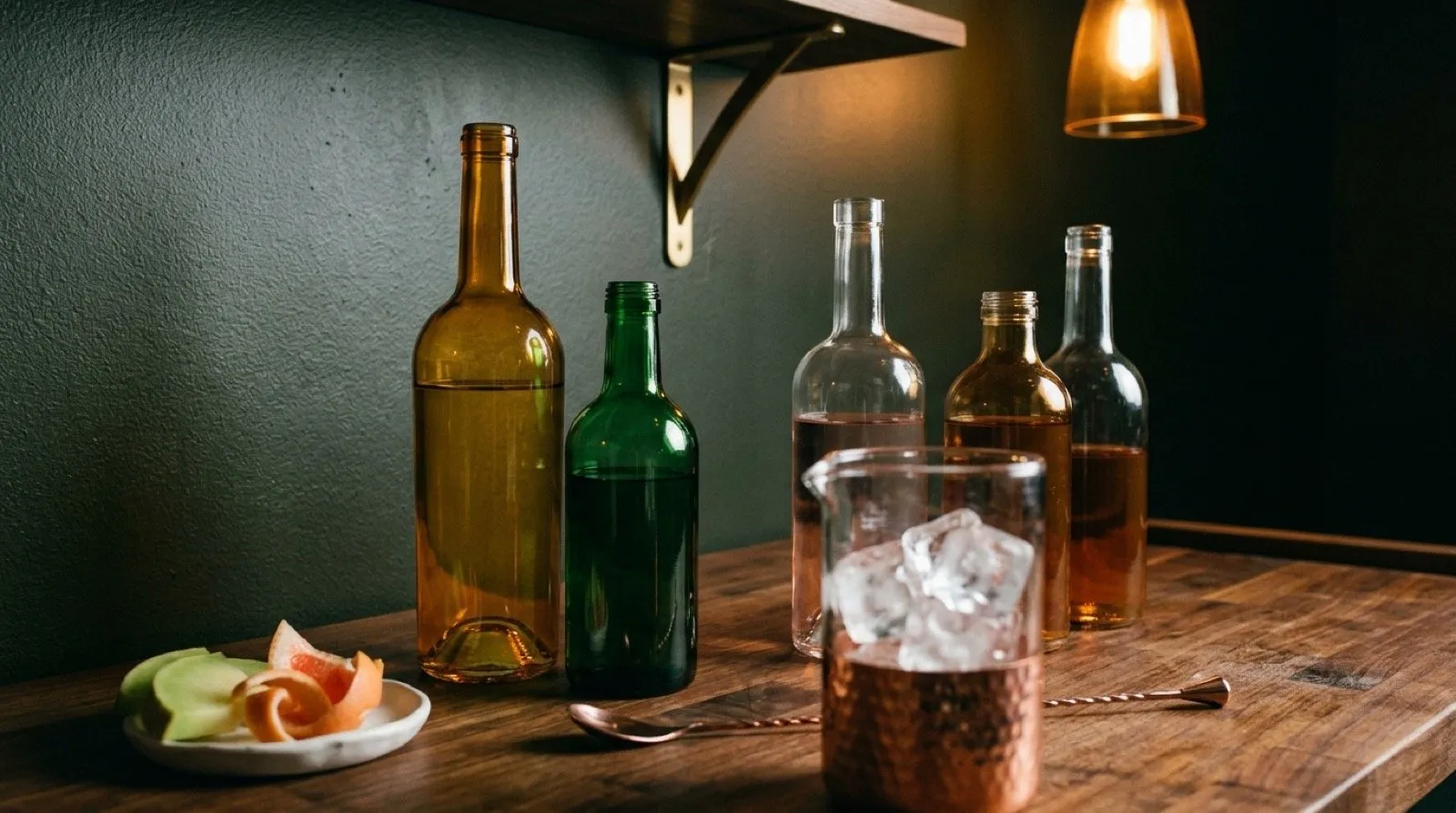
- Premium London Dry gin, 30 ml: the dry botanical base that provides structure and echoes the Negroni’s Italian origins. A quality London Dry delivers notes of juniper, citrus and spice that support the other ingredients without overpowering them.
- Italian white vermouth, 30 ml: brings the sweet body and roundness that softens the mix. Italian white vermouth offers notes of vanilla, gentle herbs and a delicate sweetness that balances the bitterness without becoming cloying.
- Bitter bianco (Luxardo Bitter Bianco-style), 30 ml: replaces the red Campari of the classic Negroni with a subtler, more complex white bitterness. Bitter bianco brings herbal notes and a bitterness that embraces the drink rather than piercing it.
- Green Chartreuse VEP, 15 ml: the herbal heart of the cocktail. This liqueur from the Carthusian monks of France contains more than 130 herbs and spices macerated in wine alcohol. VEP (Vieillissement Exceptionnel Prolongé) denotes extended ageing that develops an aromatic complexity unmatched by any other liqueur.
- Midori melon liqueur, 10 ml: brings fresh green notes, the drink’s characteristic bright colour and a controlled sweetness that lifts the mix. Midori creates a fruity counterpoint that keeps the whole from becoming too serious.
The Green Negroni’s balance is delicate: each ingredient occupies a precise place in the structure. If any proportion shifts by more than 5 ml, the whole loses its harmony. The gin provides the backbone, the vermouth softens, the bitter bianco adds bitter depth, the Chartreuse unfolds its herbal complexity, and the Midori closes with freshness. That exact proportion is what turns five simple ingredients into a memorable cocktail.
How we make it at STILLROOM: the bartender’s technique
The Green Negroni’s preparation at STILLROOM follows a precise protocol that guarantees consistency and excellence in every glass:

- Chill the rocks glass: a large ice cube is placed in the rocks glass beforehand for at least five minutes. The large cube reduces excessive dilution and keeps the cocktail cold without watering it down.
- Build the mix: in a mixing glass with ice, add the gin, white vermouth and bitter bianco. The Green Chartreuse and Midori go in last, since they’re denser and integrate better at the end.
- Stir with precision: stir clockwise for 25-30 seconds. The Negroni is always stirred, never shaken: the gentle motion integrates the ingredients and achieves controlled dilution without breaking them down.
- Strain with care: strain through a julep strainer directly into the rocks glass holding the already-chilled large ice cube.
- Oil the grapefruit peel: cut a strip of pink grapefruit peel and express it over the surface of the cocktail to release its essential oils. These oils harmonise perfectly with the Chartreuse’s herbal notes.
- Garnish: finish with a slice of galia melon or fresh cucumber as garnish, depending on the season and availability.
The choice of ice is fundamental: a large cube melts more slowly than crushed ice, meaning less dilution and a cocktail that holds its character for longer. The rocks glass, wide and short, lets the aromas express themselves while the ice controls the temperature. And it’s crucial not to shake: shaking introduces air bubbles that break the silky texture we’re after in a stirred Negroni.
How to recreate the Green Negroni at home
Recreating STILLROOM’s Green Negroni at home is possible if you respect the formula and pay attention to ingredient quality. For one cocktail, you’ll need:
- 30 ml premium London Dry gin
- 30 ml Italian white vermouth
- 30 ml bitter bianco
- 15 ml Green Chartreuse VEP
- 10 ml Midori melon liqueur
The preparation at home follows these steps:
- Chill a rocks glass with ice for five minutes and discard the melt water.
- In a mixing glass with ice, pour in the gin, white vermouth and bitter bianco.
- Add the Green Chartreuse and Midori. Stir with a bar spoon clockwise for 25-30 seconds.
- Strain into the rocks glass over a fresh large ice cube.
- Express a pink grapefruit peel over the surface and garnish with a slice of cucumber or melon.
Some honest advice: if you can’t find bitter bianco, you can use half the amount of Campari instead, though you’ll lose the pure green colour and the profile will drift closer to the classic Negroni. If Green Chartreuse VEP isn’t available, standard Green Chartreuse works, albeit with less complexity. And if Midori isn’t accessible, an artisan melon liqueur can stand in, though the final colour will be less vibrant.
The result should be a translucent green cocktail, with structured bitterness on the attack, a lingering herbal finish and a mineral sweetness that rounds off the whole. If you get there, you’ll have brought a little of Madrid into your own kitchen.
Pairing and the ideal moment for the Green Negroni
The Green Negroni is a versatile cocktail that shines at different points in the evening. As an aperitif, between 19:00 and 21:00, its herbal bitterness stimulates the appetite and prepares the palate for dinner. After dinner, from 22:00 onwards, its complexity invites unhurried conversation and accompanies the after-dinner chat with elegance. And it’s especially valuable as a closing drink, right at the tail end of the evening service — which on Fridays and Saturdays runs until 01:30 — when it’s neither too sweet nor too heavy to round off the night.
At STILLROOM, the Green Negroni pairs beautifully with several dishes from the small plates menu:
Santoña anchovies are a classic pairing: the cocktail’s green bitterness cuts through the noble fat of the oily fish and creates a contrast that cleanses the palate after every bite. Raf tomato burrata with pistachio pesto sets up a herbal dialogue between both elements, where the burrata’s creaminess finds its reflection in the Chartreuse’s complexity. Roasted cauliflower with tahini offers a surprising combination: the dish’s vegetal umami meets the cocktail’s structured bitterness in a pairing that works. And bluefin tuna tartare finds a bold ally in the Green Negroni: an unexpected companion, but a perfect one for quality raw fish.
Green Negroni vs classic Negroni: three key differences
The Negroni and its green variant share structure and heritage, but their differences go beyond colour:
- Colour and visual identity: the classic Negroni shows a deep, intense red, iconic and unmistakable. The Green Negroni offers a translucent, luminous green that radically changes how the drink is perceived. This isn’t just an aesthetic difference: colour shapes how the brain interprets flavour before the first sip.
- Bitterness profile: the classic Negroni relies on Campari for a citrusy, sharp bitterness that defines its character. The Green Negroni spreads the bitterness between the bitter bianco and the Chartreuse, creating an experience that’s more herbal, more layered and less aggressive. The result is a bitterness that embraces rather than attacks.
- When to drink it: the classic Negroni is, by definition, an Italian aperitivo: its direct intensity makes it perfect for opening the appetite. The Green Negroni is more versatile: it works as an aperitif, but it also accompanies the after-dinner chat and makes an ideal nightcap for anyone after complexity without excessive weight.
If you love the classic Negroni, it’s worth giving the green one a chance: it keeps the three-part structure you know and appreciate, but adds layers of herbal complexity that enrich the experience. It’s like discovering that a familiar melody can sound just as beautiful in a different key. And anyone drawn to the Green Negroni, we’d recommend exploring the classic too: its direct intensity has a charm no variation can replicate.
Frequently asked questions
Is STILLROOM’s Green Negroni very bitter?
No, the Green Negroni offers structured bitterness without being aggressive. The bitter bianco is less sharp than the red Campari in the classic Negroni, and the Green Chartreuse brings a herbal sweetness that softens the whole. The result is a balanced cocktail, perfect for anyone who finds the traditional Negroni too bitter. It’s a bitterness that invites another sip, not one that puts the palate off.
Where can I check the price of the Green Negroni?
We don’t publish prices on the blog: the reference is always the cocktail menu, which we keep up to date. The Green Negroni is one of the signature versions we’ve put our name to on the Italian classic; if you don’t see it on the day’s menu, ask us at the bar and we’ll tell you what we’re serving. Its value lies in the raw materials: the Green Chartreuse VEP is one of the most complex and prized liqueurs in the world, the Italian bitter bianco brings an elegance Campari doesn’t offer, and the premium London Dry gin holds the whole thing together with a base worthy of the name it carries.
Do I need to book a table to try it?
We recommend booking, especially on Fridays and Saturdays (11:00-15:00 and 19:00-01:30) and Sundays (11:00-23:00), which are our busiest slots. You can book through our booking page or by calling 619 21 36 16. If you’d rather sit at the bar, that’s possible without a booking whenever there’s room, but demand is high at weekends and securing a spot without notice is difficult.
What garnish does STILLROOM’s Green Negroni have?
The Green Negroni’s garnish is a slice of galia melon or fresh cucumber, depending on the season and availability. A pink grapefruit twist, pre-oiled, sits on top of the cocktail: when expressed over the liquid, its essential oils are released and harmonise with the Chartreuse’s herbal notes, rounding off the drink’s aromatic experience.
Is there an alcohol-free version of the Green Negroni?
We don’t offer a 0.0 version of the Green Negroni because its character depends fundamentally on the real spirits involved, the Green Chartreuse most of all. We do have a family of alcohol-free cocktails built from scratch, made with house lacto-fermentations and cordials, which you can find on the cocktail menu. We think it’s better to explore those and enjoy a complete experience than to try to replicate a drink that needs its original ingredients to exist.