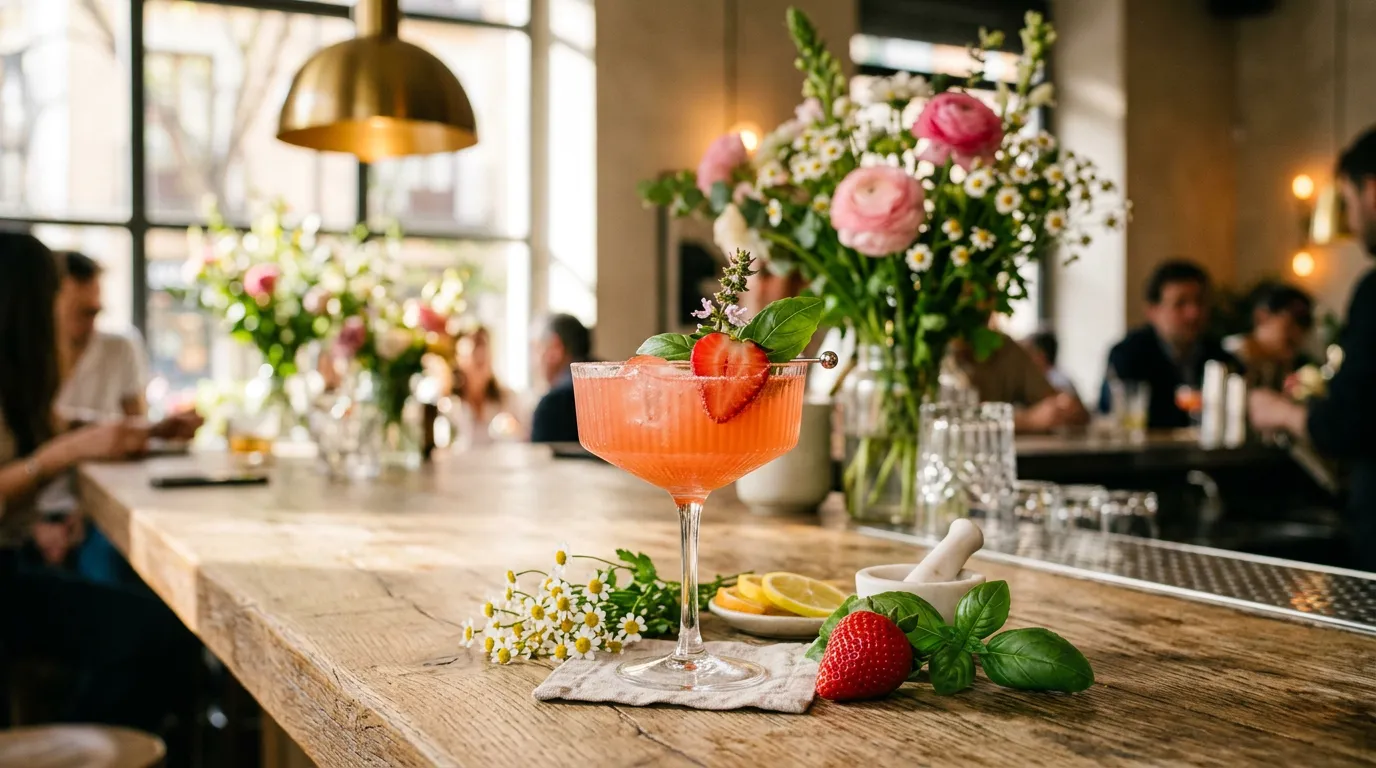
Spring arrives with that golden light that changes everything: the markets fill up with fresh produce, the days grow longer and, in the best cocktail bars, the menus are refreshed to capture the essence of this fleeting, vibrant season. At STILLROOM, our gastro cocktail bar in the heart of the Los Jerónimos neighbourhood, we look forward to this time of year with a mix of excitement and responsibility: creating drinks that pay tribute to seasonal ingredients without falling into the predictable. Spring cocktails 2026 represent a natural evolution towards lighter, more aromatic profiles with a stronger sense of place. In this article we explore why spring transforms cocktail making, which ingredients define this season, five recipes you can make at home, the trends shaping the scene and, of course, what you’ll find on our spring menu. If you’re looking for where to enjoy seasonal cocktails in Madrid, we have recommendations for you too.
Why spring transforms cocktail making
Cocktail making is, by nature, a reactive discipline. Great bartenders watch what the market has to offer, listen to local producers and translate those flavours into drinkable experiences. Spring breaks with the inertia of the cold months in a particularly significant way.
During winter, cocktails tend towards the comforting: dark spirits, intense flavours, warm spices, toasted notes. It’s the season of bourbon, of aged rum, of bitter vermouth. But when the thermometer starts to climb and nature wakes up, something changes in our palate. We look for freshness, acidity, lightness. Spring cocktails 2026 reflect this internal shift with almost instinctive precision.
Spring is also the season of flowers and herbs. Jasmine, lavender, orange blossom, fresh rosemary, tender mint: all these botanical elements come into play to add aromatic complexity without adding weight. It’s also the season of the first red berries, early strawberries, peaches, cherries. Ingredients that are impossible or prohibitively expensive in winter are at their best in spring.
From a technical standpoint, spring invites experimentation with cold-extraction techniques, subtle infusions and combinations that favour freshness over intensity. The result is cocktails that drink easily, that invite a second glass and that pair perfectly with the season’s lighter meals.
At STILLROOM, we celebrate this change of season by redesigning our entire menu. It’s not about adding two or three seasonal cocktails to a fixed menu, but about reimagining the whole experience under a new sensory narrative.
Star spring ingredients
Getting to know spring ingredients is the first step towards creating or appreciating cocktails that capture the spirit of the season. These are the elements defining the best spring cocktails 2026 in Madrid and around the world.
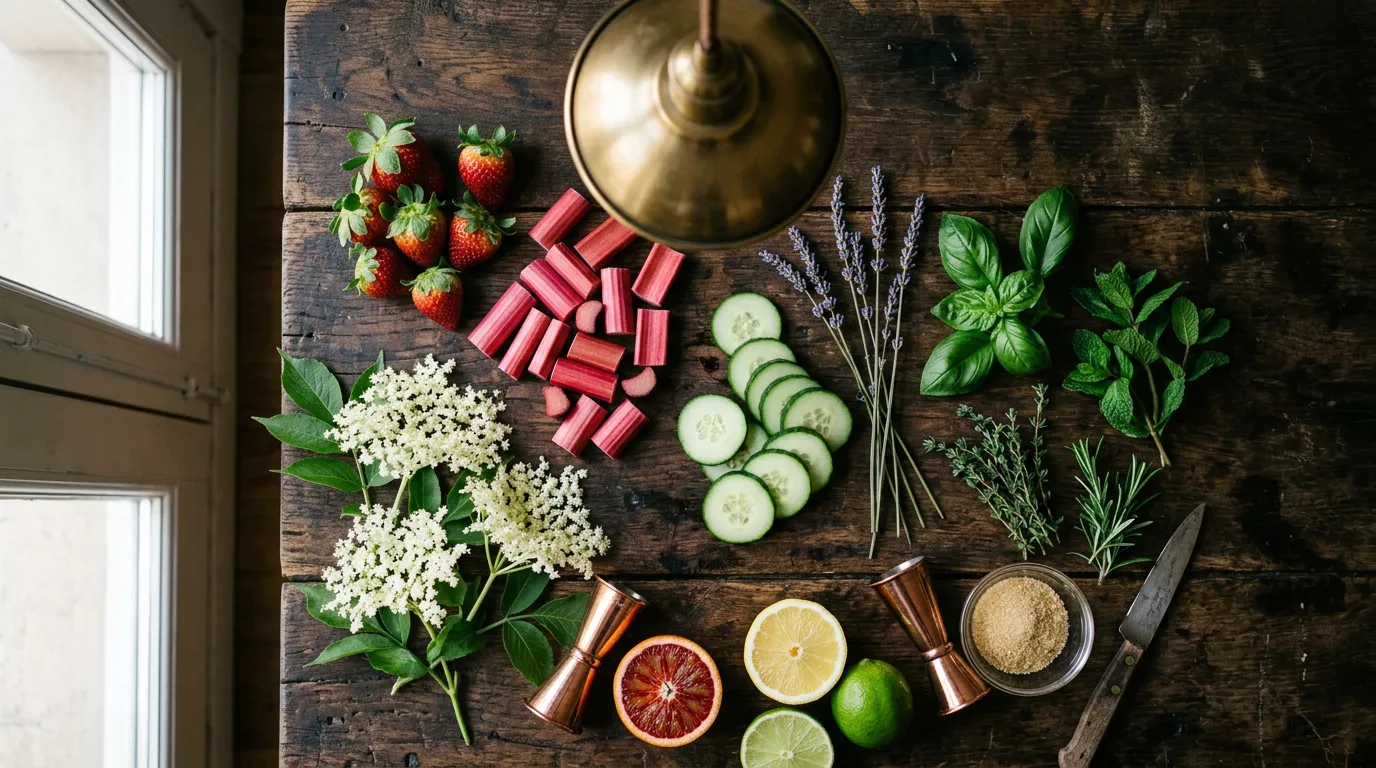
Strawberries and early red berries. Seasonal strawberries, grown outdoors and picked at their peak ripeness, have an aromatic profile that has nothing to do with imported winter versions. Their natural sweetness combines with a fresh acidity that’s perfect for cocktails that balance fruit against alcohol. Forest fruits (blueberries, blackberries, redcurrants) add colour and acidic complexity.
Edible flowers. Jasmine, lavender, elderflower and rosebuds bring aromatic notes that work extraordinarily well with gins, vodkas and even neutral spirits. Elderflower, in particular, has become an essential ingredient in spring cocktail making, adding a delicate, slightly fruity floral aroma.
Fresh herbs. Rosemary, thyme, spearmint, chervil and fresh coriander bring herbal freshness without the minty intensity that can dominate in summer. These herbs work especially well in combinations with citrus and clear base spirits.
Late-winter citrus. Blood oranges, pink grapefruit and lemons are still available in spring and bring that bright acidity that balances out sweeter or more floral flavours.
Seasonal wines and liqueurs. Fresh vermouth, white vermouths and natural ciders define the character of many cocktails at this time of year. The first elderflower liqueurs and seasonal fruit creams also start to appear.
Tea base and cold infusions. Green tea, white tea and hibiscus infused cold provide bitter-floral complexity without adding calories or excessive intensity.
These ingredients, combined with a base of quality spirits, are the stars of the spring cocktails 2026 that are triumphing on the best menus in Madrid and around the world.
5 spring cocktails you can make at home
If you want to bring spring into your home, these five recipes represent different profiles within what defines this season. They’re accessible cocktails, but ones that require attention to detail in their execution.
1. Elderflower Spring Fizz
This cocktail captures spring’s floral essence with a bubbly kind of joy.
Ingredients:
– 60 ml gin
– 30 ml elderflower liqueur
– 20 ml fresh lemon juice
– 100 ml cold soda water
– Ice
Method:
In a shaker with ice, combine the gin, the elderflower liqueur and the lemon juice. Shake vigorously for 15 seconds to dilute slightly and chill. Strain into a tall glass full of ice and top up with soda water. Garnish with a lemon slice and a fresh elderflower if you have one available.
The key to this cocktail is the quality of the elderflower liqueur. If you don’t have a commercial one, you can make a simple infusion: boil 200 ml of water, add 4 tablespoons of dried elderflowers, leave to infuse for 10 minutes, strain and mix with sugar in equal parts by weight. Keep refrigerated for up to two weeks.
2. Strawberry Basil Smash
A cocktail that combines the sweetness of strawberry with the herbal freshness of basil.
Ingredients:
– 60 ml quality vodka
– 6 ripe strawberries
– 8 fresh basil leaves
– 25 ml sugar syrup (1:1)
– 20 ml lemon juice
– Ice
Method:
In a shaker, add the strawberries cut into quarters and the basil leaves. Muddle gently with a pestle or the back of a spoon to release the essential oils. Add the vodka, the syrup and the lemon with ice. Shake vigorously for 20 seconds. Double strain (first through a mesh strainer, then through a coffee filter) to remove the solids and achieve a smooth texture. Serve in a chilled coupe glass and garnish with a basil leaf and a small strawberry.
This cocktail works best with really ripe, seasonal strawberries. If the strawberries you have are tart, add 5 ml more syrup.
3. Spring Gin & Tonic with Juniper and Rosemary
A reinvention of the classic that incorporates spring botanicals.
Ingredients:
– 50 ml gin with herbal character
– 150 ml cold premium tonic water
– 2 juniper berries
– 1 sprig of fresh rosemary (about 8cm)
– Large, clean ice
Method:
In a tall highball glass, place the rosemary and the juniper berries. Add ice almost to the top. Pour the gin over the ice, stirring gently so the botanicals start to release their aroma. Add the tonic water slowly, pouring it over a spoon to preserve the bubbles. Stir once, gently. Garnish with a sprig of rosemary that you can briefly flame to intensify its aroma.
The choice of gin is crucial here. Look for one with pronounced herbal notes, such as a traditional London Dry or a craft gin with rosemary or thyme in its botanical profile.
4. Rose Aperol Spritz
A floral version of the quintessential Italian aperitivo.
Ingredients:
– 90 ml prosecco or brut cava
– 60 ml Aperol
– 30 ml rose liqueur (you can use a rose petal liqueur, or replace it with 15 ml rose syrup and 15 ml water)
– Ice
– Pink grapefruit slice
Method:
Fill a large wine glass (or a balloon glass) with ice. Add the Aperol, then the rose liqueur, and top up with the prosecco. Stir gently with a long spoon. Garnish with the grapefruit slice and, if you have access to edible rose petals, add one or two for visual aroma.
This cocktail is perfect as an aperitivo before a spring meal, especially if you pair it with our signature small plates at STILLROOM.
5. Red Vermouth with Tonic and Blood Orange
A gentler option for anyone after a low-ABV cocktail with plenty of character.
Ingredients:
– 60 ml quality red vermouth
– 100 ml bitter tonic or regular tonic water
– 1 slice of blood orange
– 1 sprig of fresh thyme
– Ice
Method:
In a rocks glass or a low-ball glass, place the ice and the slice of blood orange. Add the vermouth and top up with tonic. Stir gently. Garnish with the thyme, which you can rub between your fingers before adding to release its essential oils.
Seasonal blood orange (available from December to April, depending on the region) brings a striking colour and a more complex flavour than regular oranges.
Spring 2026 cocktail-making trends
The cocktail industry is constantly evolving, and spring 2026 brings with it several trends worth knowing about.
Tea-based cocktail making. Cold tea infusions have become established as a fundamental technique. Matcha tea, sencha green tea and hibiscus flower blends are appearing in signature cocktails as an alternative to conventional syrups. They bring delicate bitterness, aromatic complexity and a connection to Asian tradition that resonates well with contemporary sensibility.
Low-ABV and session cocktails. The trend towards lower-alcohol drinks continues. Session cocktails (the kind that let you enjoy two or three without feeling overwhelmed) are perfect for spring’s longer days. This translates into greater use of cider, sparkling wine, vermouths and spirit combinations with a high proportion of non-alcoholic mixers.
Sustainability and zero waste. Bartenders are making use of parts of ingredients that used to be discarded: caramelised citrus peel, fruit pulp, herb leaves in infusions. This trend isn’t just eco-friendly — it also brings unique, complex flavours that enrich the cocktails.
Local, seasonal botanicals. Rather than the standard botanicals found in any gin, signature bartenders are seeking out local, seasonal plants: lavender from the Alpujarra, rosemary from the Sierra de Guadarrama, Spanish jasmine. This connection to the local area gives each menu a unique personality.
Textures and advanced techniques. Spring 2026 cocktail making plays with texture: light foams, water kefir, juice clarifications and homemade carbonation. These techniques add complexity without necessarily increasing the intensity of flavour.
Gastronomic pairing. Increasingly, cocktails are designed to accompany specific foods. At STILLROOM, our spring cocktails are designed to pair with our small plates menu, creating complete gastronomic experiences.
The spring menu at STILLROOM
At STILLROOM, the arrival of spring means weeks of groundwork: testing ingredients, designing recipes, fine-tuning balances and, finally, presenting a menu we hope will be memorable.
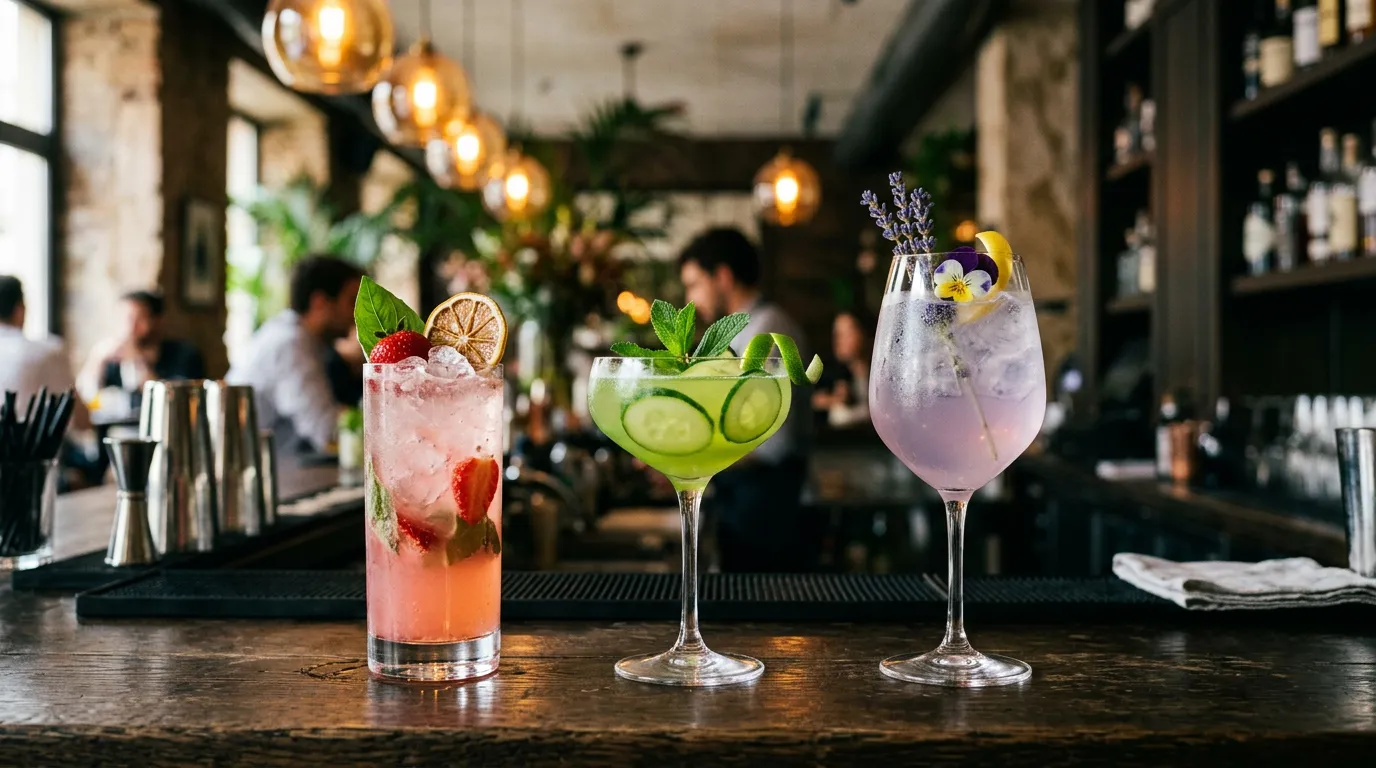
Our 2026 spring menu revolves around three axes: delicate floral notes, herbal freshness and seasonal fruit. Each cocktail tells a story connected to the present moment.
Among our standout creations you’ll find the Jardín de Abril, a cocktail that combines lavender-flower-infused gin, elderflower liqueur, a touch of white vermouth and rose soda. It’s floral, light and perfect for starting the evening. For lovers of bitter drinks, the Retiro de Primavera reinvents the classic Negroni with a seasonal amaro, hibiscus vermouth and a gin with eucalyptus notes. The result is a fresher, lighter cocktail than the original.
If you prefer something fruity, the Soto de Fresas uses seasonal strawberries macerated in white rum, accompanied by fresh basil, lime and a touch of strawberry tabasco that adds an unexpected dimension. It’s sweet, acidic and thoroughly spring-like.
We’ve also created a section of alcohol-free cocktails that are more than mere substitutes — drinks with an identity of their own. The Primavera Verde combines matcha tea with oat milk, agave syrup and extra virgin olive oil, creating a creamy, sophisticated drink that proves alcohol-free cocktail making can be just as interesting.
All our cocktails are designed to pair with STILLROOM’s small plates menu, where signature cooking meets creative mixology. From our artisan cheese boards to our seasonal dishes, every combination has been tested to guarantee a harmonious experience.
You can check our full menu of signature creations on our website, where you’ll find all the details on ingredients, flavour profiles and pairing suggestions.
Where to enjoy spring cocktails in Madrid
Madrid offers an increasingly sophisticated cocktail scene, and spring is the ideal time to explore terraces, bars and gastropubs across the city.
In the Los Jerónimos neighbourhood, where STILLROOM is located, the offering combines tradition and modernity. Our location on Calle Moreto 9 puts us steps from the Prado Museum and El Retiro, which makes our bar the perfect destination for a cocktail before or after a day of culture.
If you’re after variety, the Malasaña neighbourhood and its side streets are home to numerous cocktail bars where seasonal menus take centre stage. Chueca, meanwhile, offers more accessible options without sacrificing quality, with bars committed to local, seasonal produce.
The historic centre, especially the Plaza Mayor and Sol area, has undergone a remarkable transformation with the opening of venues that prioritise quality over volume. Here you’ll find everything from reinvented classic cocktails to bolder offerings.
For a more intimate experience, Madrid’s hidden bars (speakeasies) are worth a visit. Some require advance booking and have limited capacity, but the experience is usually worth the effort.
Whatever you choose, remember that the best spring cocktails are built with seasonal ingredients, precise technique and creativity. At STILLROOM, every season is an opportunity to reinvent our offering and give you something you won’t find anywhere else. We look forward to discovering together the cocktails that define this spring 2026.
At STILLROOM we turn seasonal cocktail making into drinkable art. Visit us at Calle Moreto 9, Jerónimos neighbourhood, Madrid, and discover our spring menu. To dig deeper into the vocabulary and techniques we use, check out our cocktail and mixology glossary. And if you’d like to pair cocktails with food, our suggestions for pairing cocktails with tapas are waiting for you.
Already summer? Read our guide to summer cocktails 2026 too.
Frequently asked questions
What are the trending cocktails in 2026?
2026’s trending cocktail making favours light, aromatic profiles with a strong sense of place. Cocktails made with cold tea infusions are taking over, especially matcha, sencha and hibiscus, which bring bitter-floral complexity with no weight. Low-ABV offerings are also thriving, made with vermouths, sparkling wines and natural ciders, ideal for long sessions. Local, seasonal botanicals — rosemary, lavender, elderflower — define the character of today’s most current menus, alongside zero-waste techniques that make use of peels and pulp. In Madrid, the trend translates into fresh cocktails with early red berries, fresh herbs and clarified textures, designed to pair with signature gastronomy.
What ingredients are shaping trending cocktail making in 2026?
The star ingredients in 2026 are elderflower, hibiscus, matcha tea, seasonal strawberries and early red berries. Alongside them are fresh herbs such as basil, rosemary and thyme, which bring a very spring-like herbal profile. Late-winter citrus also stands out, especially blood orange and pink grapefruit, which add bright acidity. Lavender, Spanish juniper, white vermouth and natural ciders round out a palette geared towards freshness. All of them are worked with cold-extraction and zero-waste techniques, producing cocktails that are lighter, more aromatic and more rooted in their local area.
What does low-ABV mean, and why is it trending for 2026 cocktails?
Low-ABV refers to cocktails with a low alcohol content, generally below 15% by volume. This trend is growing in 2026 because it answers a demand for more mindful, longer drinking sessions, without giving up on sensory pleasure. They’re made with vermouths, sparkling wines, mild amari or spirits in small measures, combined with sodas, tonics and infusions. The result is fresh, complex, highly food-friendly drinks, ideal for pairing with aperitivos or for accompanying an unhurried conversation. At STILLROOM we work with vermouths, amari and our own ferments, proving that elegance doesn’t depend on alcohol strength.
How do you make an on-trend cocktail with cold tea?
The base is a cold infusion: quality tea (green, white or hibiscus) is mixed with cold water and left to steep for 4 to 8 hours in the fridge. This extracts aromas and nuances without excessive bitterness or astringency. To work it into a 2026 cocktail, it’s used as an alcohol-free base or as a syrup substitute, adding vegetal and floral depth. It’s combined with botanical gins, white vermouths or neutral spirits, and balanced with fresh citrus or a touch of natural sweetener. The key lies in the proportion: the tea should accompany, never dominate.
What’s the trending cocktail in Madrid in 2026?
In Madrid, the trending cocktail in 2026 is one that combines floral freshness, low alcohol content and a strong local accent. Reinvented spritzes made with elderflower or rose liqueurs are thriving, along with vermouths with tonic and local herbs, and red berry smashes with basil. Cocktails with a cold tea base are also gaining ground, offering an elegant alternative to more alcoholic drinks. The Madrid scene favours locally sourced ingredients and signature techniques: that’s how we work on our cocktail menu, with our own ferments, clarifications and cordials.