Our Visit to Formaje: How We Choose Stillroom’s Artisan Cheeses
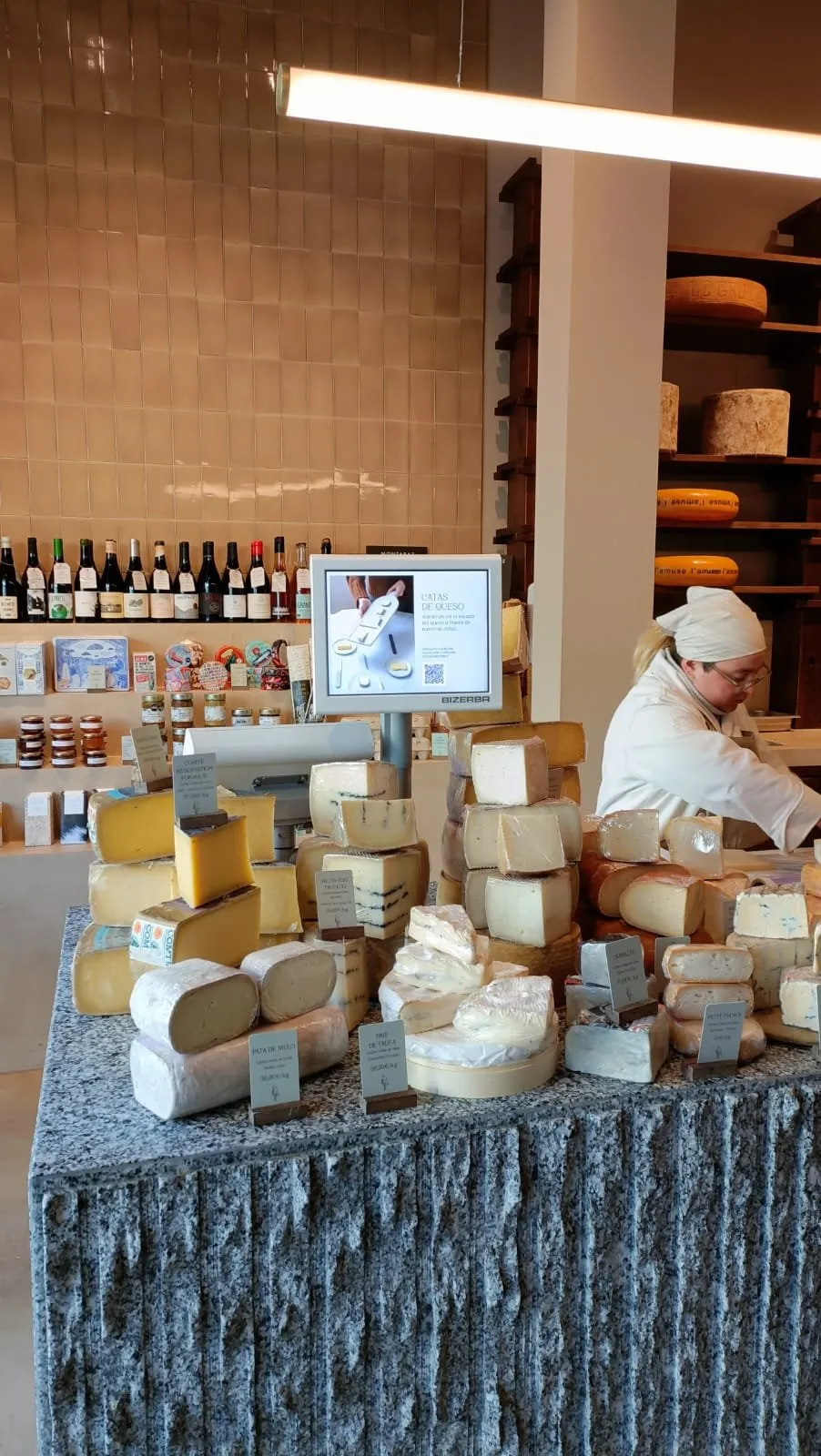
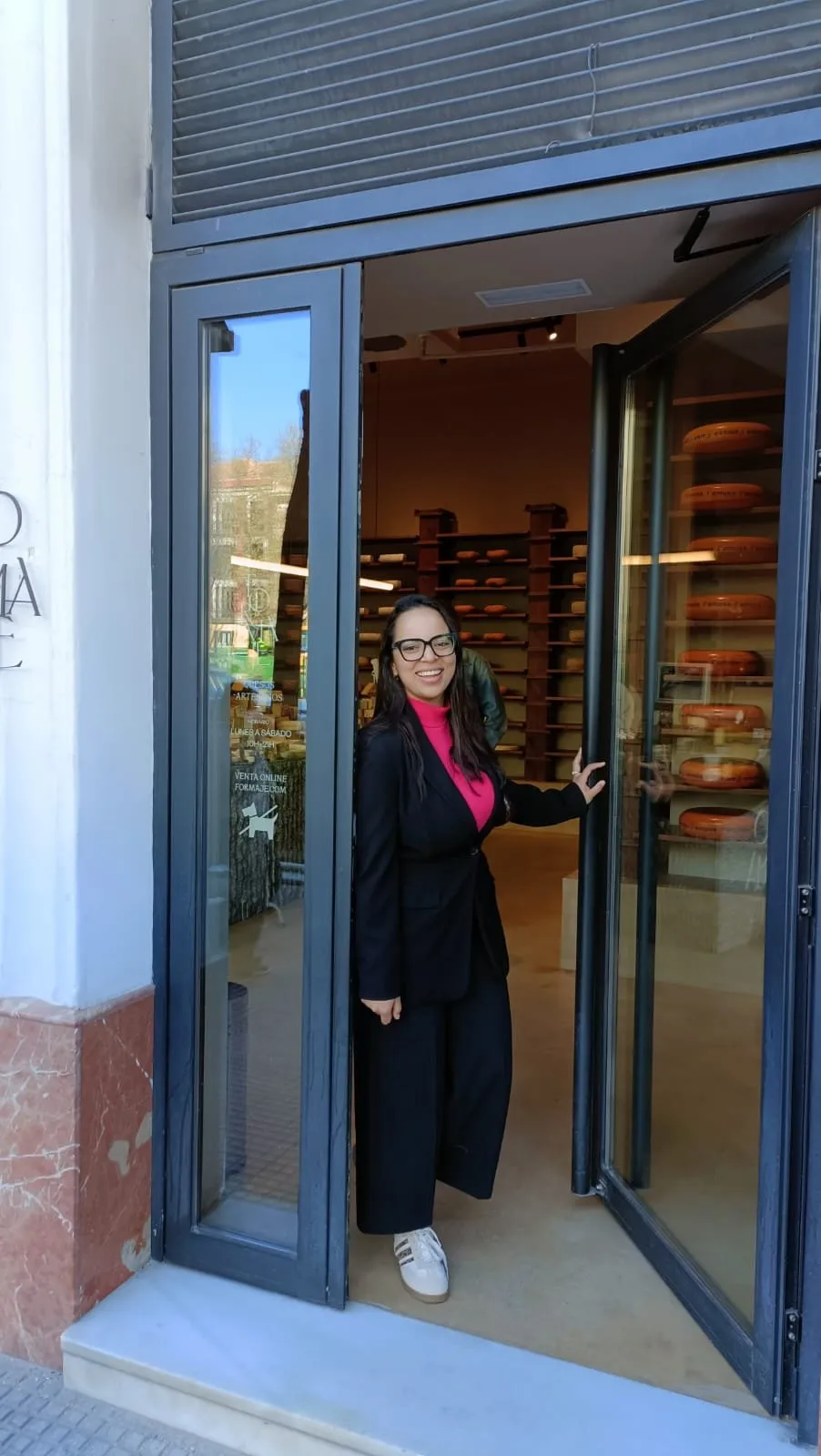
There are mornings when work feels closer to what it technically is: an obligation, a checklist, a formality. And there are others when you remember exactly why you chose this industry. The 24th of March 2026 was one of those mornings. We met at half past eleven in Chamberí, in front of a small shop bursting with life, with more than sixty artisan cheeses from across the country displayed like little works of art. We had come looking for a supplier for Stillroom. We found something bigger: a philosophy that matched ours more closely than we expected.
Why We Visited Formaje
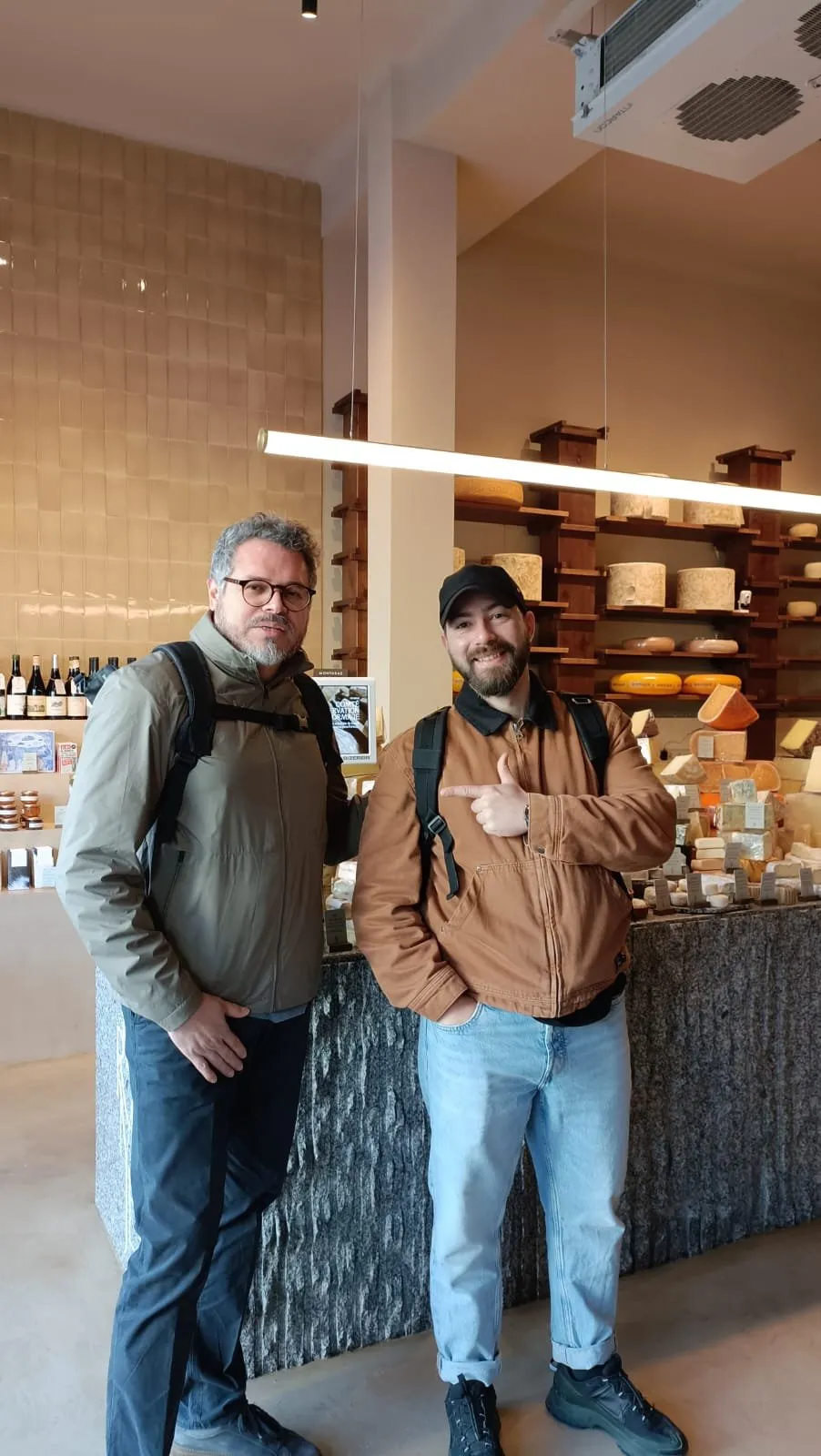
Before opening Stillroom, we knew we couldn’t offer a cheese menu without first understanding who is behind each piece. A supplier who simply delivers product isn’t enough for us: we need someone who can explain where it comes from, how it’s made, who produces it and why that cheese tastes the way it does and not some other way.
At Stillroom, we believe the guest experience begins long before they taste the first cocktail. It begins when they read the menu and see that a real story sits behind every product. That’s why, before designing the cheese boards, we had to get to know the supplier. See it up close. Feel it for ourselves. Find out whether their way of working matched ours.
Formaje had been on our list for a while. It’s an artisan cheese shop in Madrid that has achieved something difficult: becoming a benchmark without losing the essence of the small producer. When we asked for an appointment, we didn’t expect what we found.
Formaje: Artisan Cheese as Culture
Formaje opened its doors in 2020, in the middle of the pandemic, led by Clara Diez and Adrián Pellejo. Both had spent six years working with small cheese producers from around the world before deciding to open their own shop. Six years of tastings, travel, relationships built on trust and respect for the process. That time shows: when you walk into Formaje, it isn’t just a cheese shop, it’s a showcase of stories.
In 2021, Clara Diez was named to the 50Next list by The World’s 50 Best, as one of the fifty young talents shaping the future of world gastronomy. In 2023 she published Leche, fermento y vida with Penguin Random House, a book the team has read and which explains, with fascinating clarity, the world behind an artisan cheese. That knowledge comes through when you talk to her or to anyone on her team: they don’t sell cheese, they explain culture.
The Chamberí shop stocks between sixty and seventy artisan cheese references, all selected with a clear criterion: real product, real producers, guaranteed traceability. There’s no room for the industrial or for anything without a story.
Víctor, the shop manager, welcomed us and guided us through the whole morning. He explained origins, ageing techniques, flavour profiles, the differences between a raw-milk cheese and a pasteurised one, why some blue cheeses need months to develop their character. We learned as much in two hours as we would have in weeks of research on our own. And most importantly: we felt that Formaje understands cheese the way we understand cocktails. It isn’t just product, it’s process, tradition and respect.
The 10 Cheeses We Tasted for the Stillroom Menu
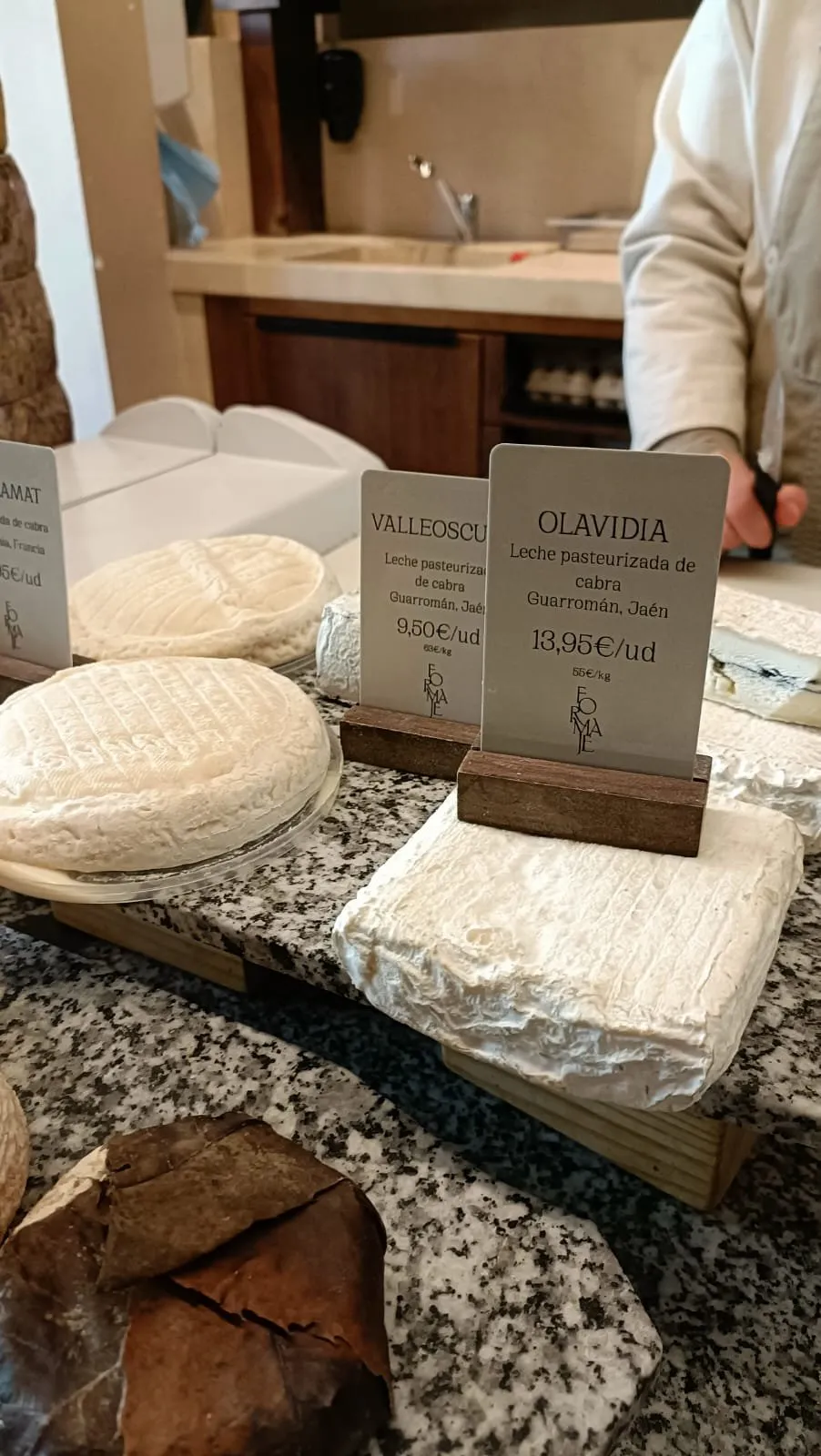
The tasting was the heart of the visit. Víctor brought out piece after piece, cutting samples, explaining the origin of each one. We tried ten cheeses that are now candidates for our menu. We organised them by family to better understand how they’ll work on a cocktail table:
Fresh and Creamy
These cheeses are ideal for opening a board or pairing with light, refreshing cocktails.
- Olavidia — goat’s cheese, pasteurised milk, from Spain. A World Cheese Awards winner, this cheese stands out for its creamy texture and delicate flavour with vegetal notes. On a Stillroom table, it works perfectly with a floral gin & tonic or a white vermouth cocktail.
- Moluengo — goat’s cheese, raw milk, Spain. A more intense cheese than Olavidia, with a wild, mountain character. Its ageing gives it an earthy edge that pairs very well with botanical spirits and cocktails with a touch of juniper.
Semi-Cured and Cured
This family is the backbone of any cheese board. These are cheeses with structure and personality, that pair well with more complex cocktails.
- Manchego curado — sheep’s cheese, raw milk, La Mancha. The classic above all classics. Cured for months, it has that nutty edge and deep flavour that works with almost any cocktail on our menu, especially those with sweet or smoky notes.
- Lambda — sheep’s cheese, raw milk, Spain. A cheese with a character all of its own, intense but elegant. Its firm texture and complex flavour make it a perfect match for whisky or aged rum cocktails.
- Xiros — cow’s cheese, raw milk, Spain. Firm in texture with a mild flavour and herbaceous nuances. Works very well with dry cocktails and those with a citrus touch.
- Tesela — sheep’s cheese, raw milk, Spain. A cheese that surprises with its balance: not too intense, but full of personality. Ideal for pairing with red vermouth cocktails or herbal spirits.
- Cabra Payoya — goat’s cheese, pasteurised milk, Andalusia. Made with milk from the payoya breed, a native breed at risk of extinction. This cheese has a deep, almost wild flavour, with notes of scrubland and herbs. It’s perfect for pairing with more daring cocktails, such as those with bitterness or spiced notes.
- Queixo — cow’s cheese, raw milk, Galicia. Pressed paste with a mild flavour and a very pleasant milky note. Pairs very well with cider cocktails or those with a touch of apple.
Blue Cheeses
Blue cheeses are a chapter of their own. They call for cocktails that can accompany their intensity without competing with it.
- La Peral — cow’s cheese, pasteurised milk, Asturias. A mild, creamy blue with a touch of sweetness that makes it more approachable than other blue cheeses. At Stillroom we’ll pair it with cocktails that carry a touch of honey or ripe fruit.
- Picón Bejes-Tresviso — cow’s cheese, raw milk, Cantabria. PDO, one of the most recognised blues in Spain. Intense, with that characteristic mouldy edge we love so much. This cheese calls for a powerful cocktail: an old fashioned, an aged brandy cocktail or even a smoky whisky mix.
Tasting these ten cheeses in two hours was an intense experience. Each one tells a different story, comes from a different region, is made with a different process. And they all have one thing in common: they are genuinely artisan cheeses, with no shortcuts, no industrialisation. That’s what we’re looking for at Stillroom.
The Shared Philosophy: Craftsmanship, Traceability and Real Product
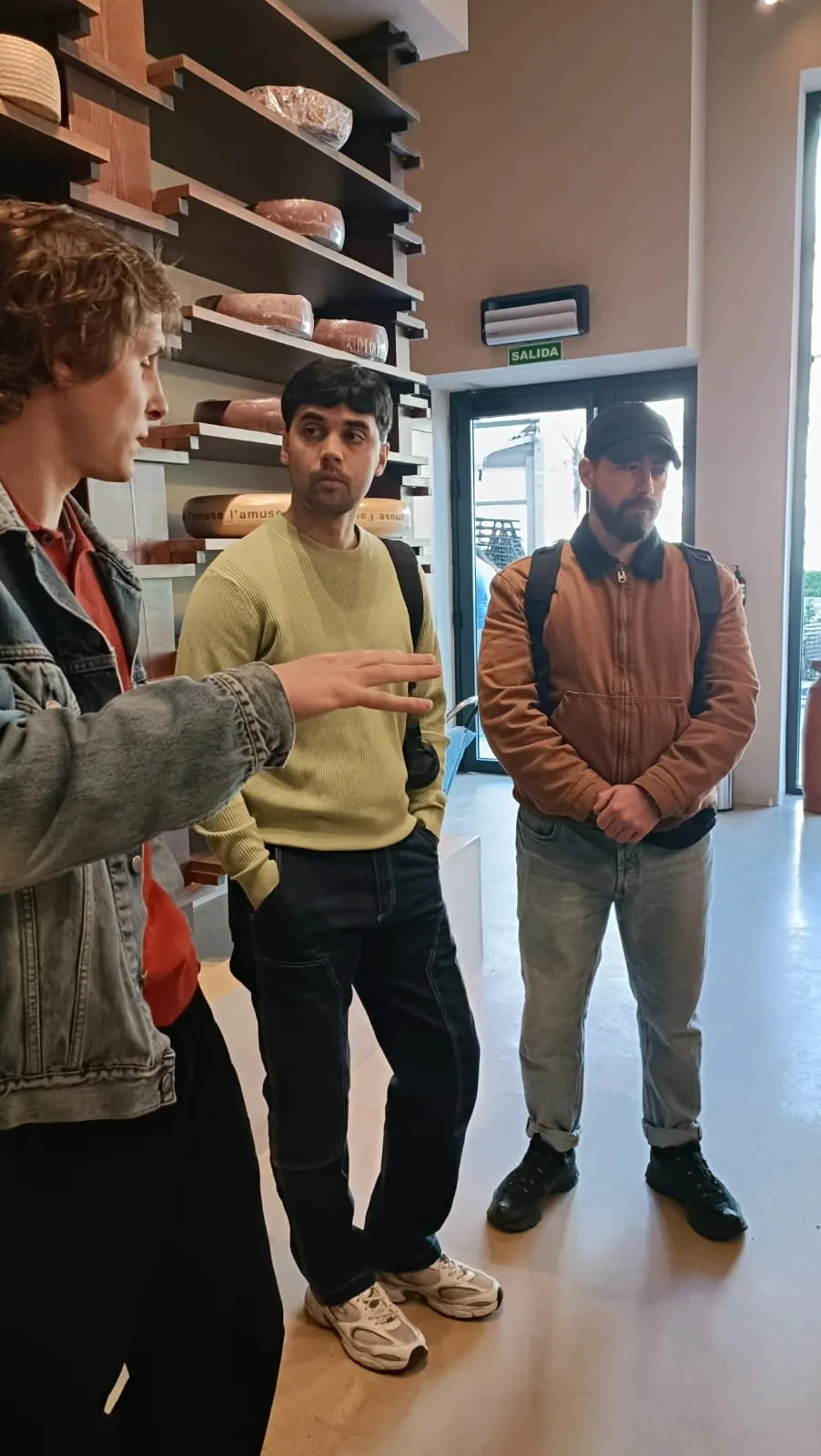
What impressed us most about Formaje wasn’t just the quality of the product, but the philosophy behind it. Formaje selects cheeses the way we select spirits: by the producer, by the process, by the story behind every bottle or every piece.
We spend months choosing every spirit that goes on our menu. We visit distilleries, talk to master distillers, understand how every gin, every whisky, every rum is made. We don’t settle for whatever the distributors offer us. We want to know where everything comes from.
Formaje does the same with cheese. Clara and Adrián have built direct relationships with small producers across Spain. They visit the dairies, know the cheesemakers, understand the processes. There are no unnecessary middlemen. Traceability is absolute: you know exactly which cow, which sheep or which goat gave the milk, in which village the cheese was made and how long it has been ageing.
That way of working fits what we want to offer at Stillroom. We believe our guests deserve to know where what they consume comes from. We’re not talking about trends or fads: we’re talking about real gastronomy, real product, respect for the work of the people who make it possible.
That’s why this partnership with Formaje isn’t just commercial. It’s a commitment. When a guest sits down at Stillroom and tastes a cheese board, they’re tasting the result of a relationship built on trust and mutual respect. And it shows.
What’s Coming: Cheese and Cocktails at Stillroom
We open on the 14th of April 2026 at Calle Moreto 9, in the heart of the Barrio de los Jerónimos, a stone’s throw from the Museo del Prado. And from day one, Formaje’s cheese boards will be part of our menu.
They won’t just be another option: they’ll be a statement of intent. Each board will be made up of references selected together with Formaje, with flavour profiles designed to pair with our cocktail menu. Because at Stillroom we don’t separate cocktails from gastronomy: it’s all part of the same experience.
In addition, our catering service’s Cheese Trolley will include references selected with Formaje. We’ll bring the Stillroom experience to private events, launches and celebrations where cheese and cocktails can shine together in a different format.
This is only the first chapter. At Stillroom we’re opening the doors on our creative process so you can see how we build the experience from the ground up. This visit to Formaje is the start of a series we’ll call Behind the Scenes, where we’ll introduce the suppliers, the producers, the stories behind every product you’ll find on our menu.
Because a gastro cocktail bar isn’t built with cocktails alone. It’s built with people, with real stories, with suppliers who believe in the same things we do. Formaje is the first example of that way of working. And it certainly won’t be the last.
Frequently asked questions
What is Formaje, and why did we go there?
Formaje is an artisan cheese shop in Chamberí, opened in 2020 by Clara Diez and Adrián Pellejo, stocking more than sixty references from small producers across Spain. Before opening Stillroom, we needed a supplier who wouldn’t just deliver cheese, but could explain its origin, its process and its story. That’s why we asked for an appointment: we wanted to meet, first-hand, the people behind each piece, understand the ageing techniques and check whether their philosophy matched ours. Víctor, the shop manager, welcomed us, and the visit exceeded every expectation.
Why would a gastro cocktail bar bother visiting its suppliers?
Because the guest experience doesn’t begin when they taste the first cocktail, but when they read the menu and discover that a real story sits behind every product. That’s how we work with spirits: we visit distilleries, talk to master distillers, understand every process. We weren’t going to do any less for cheese. This visit to Formaje opens our Behind the Scenes series, where we introduce the producers and the stories that build Stillroom from the ground up. For us, craftsmanship and traceability aren’t slogans: they’re a way of working.
How do you pair a cheese with a cocktail?
The key is balancing intensities so that one element doesn’t cancel out the other. Fresh, creamy cheeses call for light, refreshing cocktails, such as a floral gin & tonic or a white vermouth. Semi-cured and cured cheeses, with more structure, can stand up to more complex cocktails: whisky, aged rum or red vermouth. And blue cheeses, which are intense, need powerful company: an old fashioned or an aged brandy. It’s also worth playing with contrasts: a touch of sweetness, bitterness or citrus can lift the cheese. In the end, it’s about tasting, trusting your palate and looking for the two to bring out the best in each other.
Which ten cheeses did we taste on that visit, and how did we group them by family?
At Formaje we tasted ten candidate cheeses for our menu, organised into three families. Fresh and creamy: Olavidia and Moluengo. Semi-cured and cured: Manchego curado, Lambda, Xiros, Tesela, Cabra Payoya and Queixo. Blue: La Peral and Picón Bejes-Tresviso. Each one told us a different story, from different regions and processes. That tasting was a starting point, not a final decision: the current selection can be found on our small-plates menu, where we keep working with the same selection criteria.
What is a raw-milk cheese, and why does it matter to us?
A raw-milk cheese is made without pasteurising the milk, preserving its natural microbiota and the character of the territory where it’s produced. This gives it an aromatic complexity and a sense of place that fascinates us: every piece is unique, with nuances that change with the season and the pasture. It matters to us because it fits our philosophy of real product, traceability and respect for the producer’s work. That said, we also value excellent pasteurised cheeses; in the end, what we’re looking for is craftsmanship, honesty and flavour, regardless of technique.