Spritz: the perfect sparkling aperitivo for summer
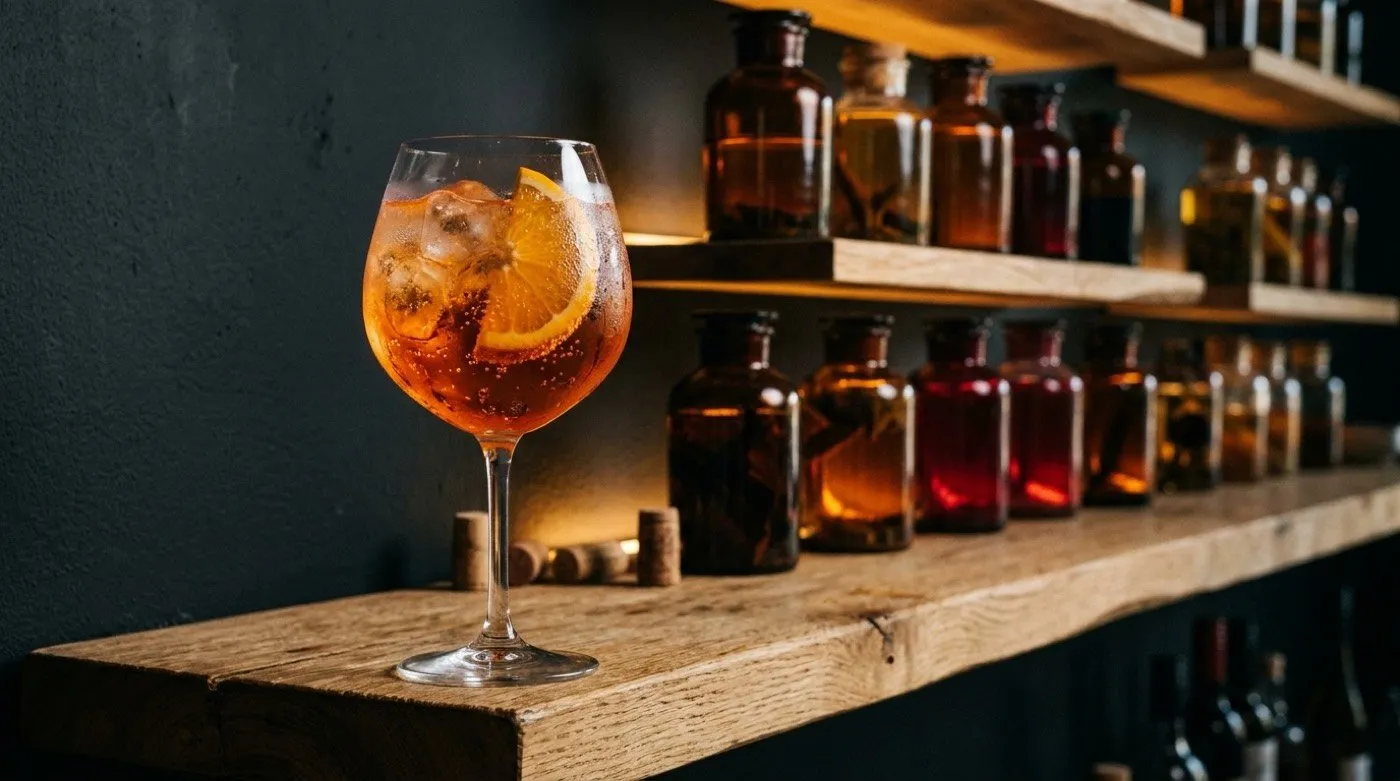
A spritz is, above all, a way of understanding the aperitivo: a long, low-ABV drink that combines sparkling wine, an amaro or bitter liqueur and a splash of soda water, served with plenty of ice and an orange slice. At STILLROOM we treat it as a category with its own identity — not as a brand — and we like exploring its limits through our signature cocktail making in the Los Jerónimos neighbourhood, Madrid. If you’re after freshness, balanced bitterness and a fine fizz, the spritz is the summer aperitivo that always works.
What a spritz is and how it works: the perfect aperitivo formula
The spritz is an aperitivo cocktail category, not a fixed recipe or a registered trademark. Its origins lie in Italy’s Veneto region, where 19th-century Austrian soldiers lengthened local white wines with a splash of sparkling water — spritzen, in German, means “to splash”. Over time, that wine-and-soda base took on amari and bitter liqueurs, giving rise to the family of drinks we know today.
The classic structure follows the 3-2-1 rule: three parts sparkling wine (prosecco or cava), two parts amaro or bitter liqueur and one part soda water. It’s built directly in a balloon or wine glass, over plenty of ice, and finished with an orange slice or a twist that releases essential oils. The result is a drink of around 8-11% alcohol, light, fizzy and with a bitterness that whets the appetite without becoming cloying.
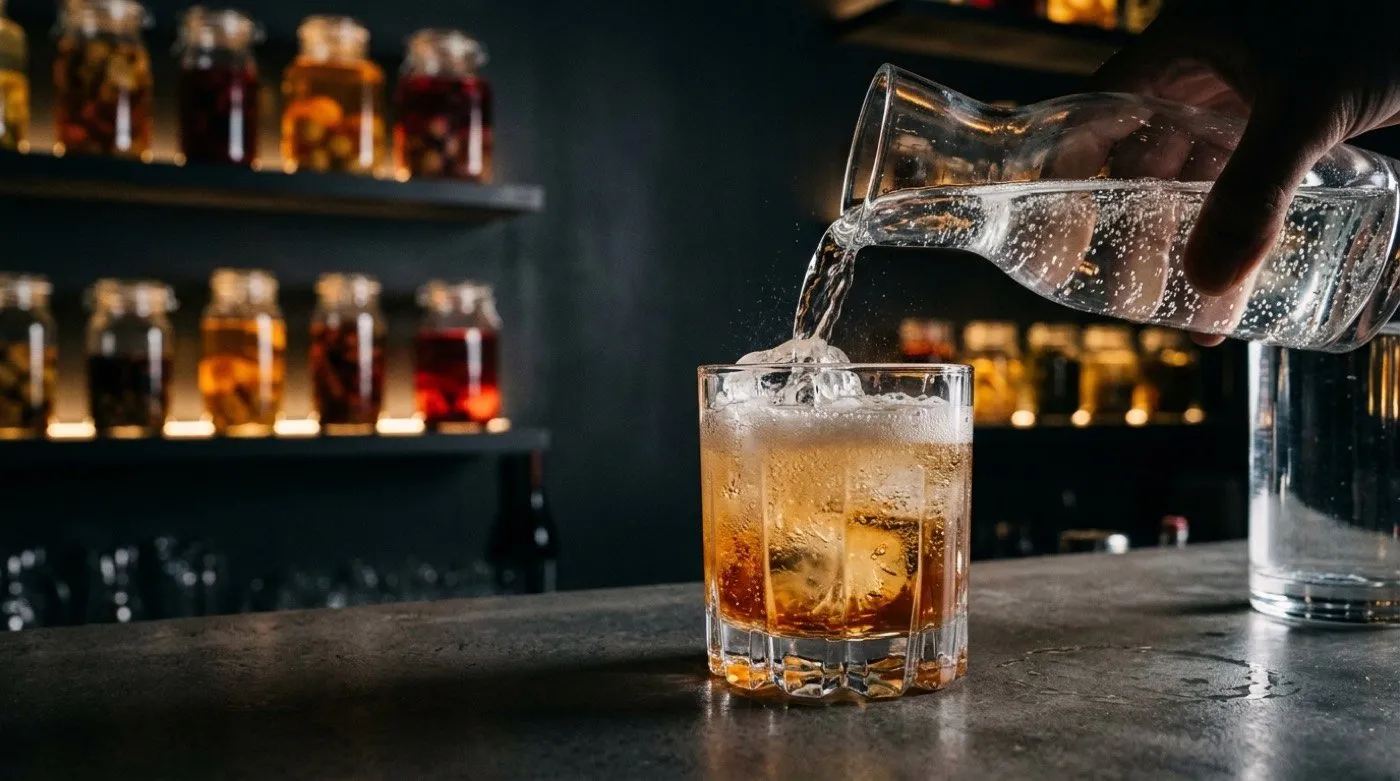
Why does it work so well in summer? Because the combination of cold, fizz and bitterness activates the taste buds and stimulates the production of saliva and gastric juices, exactly what we want before eating. What’s more, its low alcohol content lets you enjoy more than one without the heat taking its toll. In Madrid, with the thermometer climbing, a well-made spritz is pure common sense.
The role of bitterness and fizz
Bitterness isn’t a flaw: it’s the aperitivo’s engine. The bitter compounds in roots, barks and citrus — gentian, rhubarb, cinchona bark, bitter orange — stimulate the taste receptors and prepare the stomach for food. The fizz, meanwhile, brings a lively texture that carries volatile aromas up to the nose and refreshes the palate. Together, they turn the spritz into a drink that calls for another sip and another dish.
Types of spritz: a table to navigate amari and profiles
The world of the spritz is broader than it seems. Each amaro or liqueur brings a different character: more citrusy, more herbal, drier or sweeter. This table gathers the most representative variants we work with and recommend at STILLROOM.
| Spritz | Amaro or Liqueur | Profile |
|---|---|---|
| Aperol Spritz | Aperol | Soft citrus sweetness, orange and rhubarb, light bitterness. The most accessible. |
| Campari Spritz | Campari | Intense bitterness, herbs and bark, dry finish. For trained palates. |
| Hugo Spritz | Elderflower and mint liqueur | Floral, fresh and sweet. Very popular in the Tyrol and Central Europe. |
| Select Spritz | Select Aperitivo | A balance between Aperol and Campari, roots and citrus. Venetian roots. |
| Cynar Spritz | Cynar | Artichoke and herbs, earthy bitterness and vegetal depth. Very food-friendly. |
Each of these spritzes allows for adjustments: from the sparkling wine chosen to the garnish. At STILLROOM we like to play with our own cordials, infusions and aromatic twists to bring each variant onto our own turf.
Anatomy of the spritz: what each element brings
Breaking a spritz down into its parts helps us understand why it works and how we can fine-tune it. Here’s a table with the function of each component and its guideline proportion, which we then adjust according to the amaro and the desired profile.
| Element | Function | Guideline Proportion |
|---|---|---|
| Sparkling wine (prosecco or cava) | Light alcoholic base, fizz, freshness and body. | 3 parts (90-120 ml) |
| Amaro or bitter liqueur | Brings bitterness, aromatic complexity and colour. | 2 parts (60-80 ml) |
| Soda or sparkling water | Lengthens, lowers the alcohol content and lifts the fizz. | 1 part (30-40 ml) |
| Plenty of ice | Chills, dilutes slowly and holds the structure. | Fill the glass |
| Orange slice or twist | Brings citrus essential oils and an aromatic counterpoint. | 1 unit |
The key lies in balance: if the amaro is very sweet, like Aperol, we can tip the scale towards a drier sparkling wine. If it’s very bitter, like Campari, a prosecco with a touch of residual sugar softens the whole. At STILLROOM we measure every proportion to the millilitre, but we always leave room to taste and adjust.
How we use it at STILLROOM: the spritz from the laboratory
At STILLROOM the spritz isn’t a filler: it’s a canvas. We start from the classic structure and apply laboratory cocktail-making techniques to reinterpret it without losing its refreshing, appetite-opening essence. We work with our own ferments, citrus cordials measured to the gram and aromatic twists that change the experience without the drinker needing to know why.
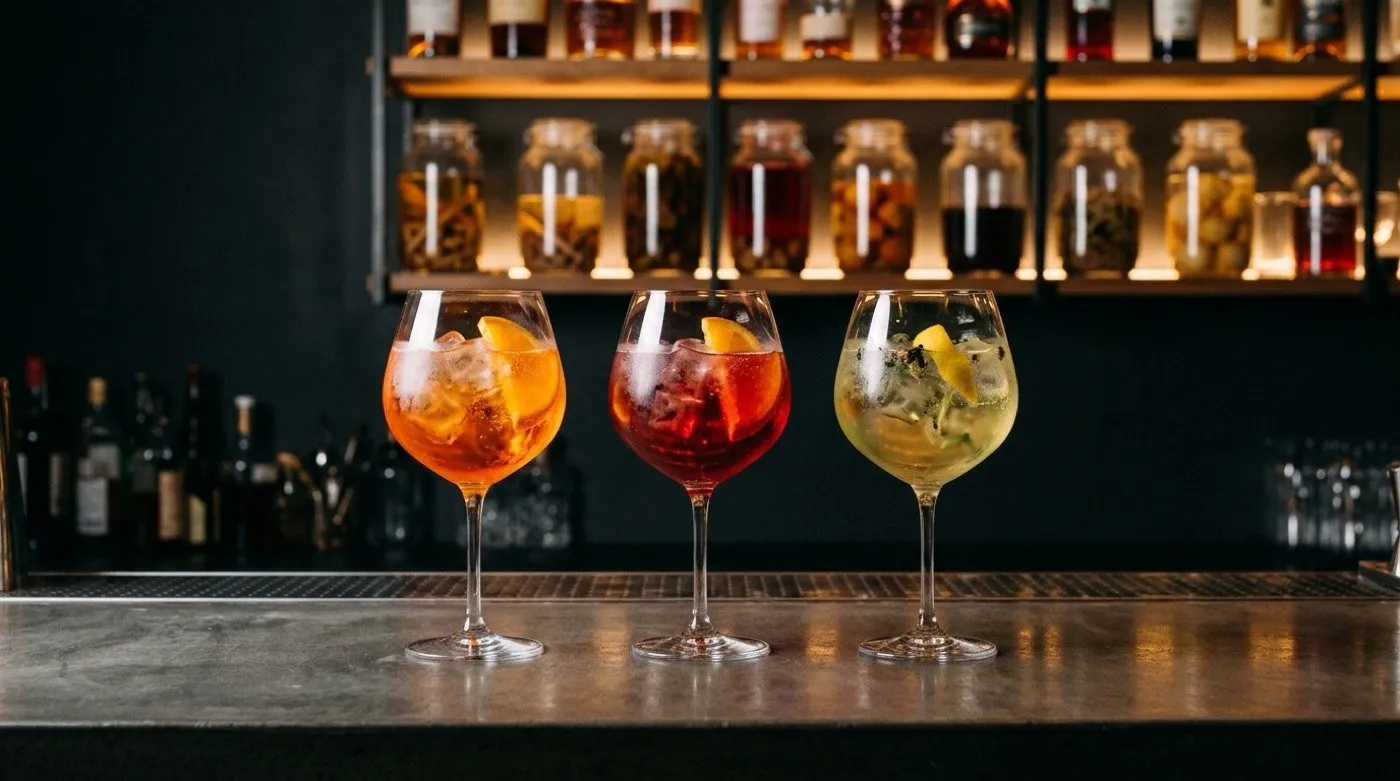
The garnish, for instance, isn’t decoration. A well-expressed orange twist over the surface of the spritz releases limonene and other essential oils that transform the first sip. In our signature versions, we sometimes replace the soda with kombucha — a fermented tea with natural fizz and live acidity — to add complexity without adding alcohol. These are decisions we make from the knowledge of the advanced cocktail techniques we apply every day at our bar on Calle Moreto 9.
Three ideas to start with
If you want to explore the category on your own or understand how we approach it at home, these three variants give you a clearly distinct map of flavours.
Textbook Aperol Spritz
The starting point. Brut prosecco, Aperol and soda water in a 3-2-1 ratio, ice to the top and a thick slice of orange. No tricks: if the sparkling wine is good and the ice is plentiful, it works on its own. At STILLROOM we serve it with an extra grapefruit twist to lift the citrus bitterness.
The House’s Floral Spritz
Our own twist: we replace the classic amaro with an elderflower and verbena cordial that we make with citric acid and inverted sugar, and combine it with brut nature cava and a splash of fermented lime soda. The profile is floral, dry and highly aromatic, with an extremely fine fizz. Ideal for anyone after a less sweet, more food-friendly aperitivo.
Alcohol-Free Spritz with Kombucha
We start with green tea kombucha, mix it with an alcohol-free bitter orange and gentian cordial, and lengthen it with well-chilled sparkling water. The result keeps the bitterness, fizz and complexity of a classic spritz, but with 0% alcohol. Perfect for anyone who doesn’t drink, or for lingering at the table with no consequences.
Frequently asked questions
What is a spritz?
A spritz is an Italian-born aperitivo cocktail that combines sparkling wine, an amaro or bitter liqueur and a splash of soda water, served long over ice with an orange slice. It’s light, refreshing and designed to whet the appetite.
What is the spritz formula?
The classic formula is 3-2-1: three parts sparkling wine, two parts amaro or bitter liqueur and one part soda water. It’s built over ice and garnished with orange. The exact proportions can be adjusted to taste and to the amaro chosen.
What types of spritz are there?
The best known are the Aperol Spritz, the Campari Spritz, the Hugo Spritz, the Select Spritz and the Cynar Spritz. Each one uses a different amaro or liqueur and offers a different flavour profile: from citrus sweetness to the most intense vegetal bitterness.
What wine is used in a spritz?
Traditionally prosecco is used, an Italian sparkling wine with a medium fizz and a fruity profile. In Spain, brut or brut nature cava is an excellent alternative that brings more dryness and verticality. The choice depends on the amaro and the balance we’re after.
Is there an alcohol-free spritz?
Yes, and it’s an increasingly popular option. It can be made with kombucha, alcohol-free bitter-citrus cordials and sparkling water, keeping the structure, bitterness and fizz of the classic spritz with no alcohol content. The spritz is much more than a trendy drink: it’s a versatile category, with an impeccable internal logic and a range of possibilities that at STILLROOM we explore every day out of respect for tradition and curiosity about technique. If you’d like to try our signature versions or discover how we apply fermentations, cordials and twists to this aperitivo classic, we invite you to check out our cocktail menu and book a table at our bar on Calle Moreto 9, next to El Retiro. And if you fancy continuing to explore the language of the bar, drop by our cocktail and mixology glossary, where we define every term with the same rigour we use to measure a cordial.